Live Casino a Confronto: Quali Piattaforme Offrono i Programmi Fedeltà più Vantaggiosi?

Il mercato dei live casino in Italia ha raggiunto una maturità che pochi settori dell’online gambling possono vantare. Oggi i giocatori non si limitano più a cercare un tavolo con un dealer carismatico: vogliono un ecosistema completo che includa bonus di benvenuto, promozioni ricorrenti e, soprattutto, un programma fedeltà capace di premiare la loro costanza. Questa guida analizza, in modo dettagliato, come i principali operatori strutturano le loro offerte, quali sono le differenze tra i vari tier, e quali strategie adottare per trasformare le puntate in vantaggi concreti.

Il lettore troverà una panoramica aggiornata del panorama live in Italia, criteri di valutazione dei programmi di loyalty, un confronto tra cinque piattaforme leader e suggerimenti pratici per massimizzare le ricompense. Inoltre, saranno discussi gli aspetti di sicurezza e trasparenza, così come le tendenze emergenti previste per il 2027‑2028. L’obiettivo è fornire un quadro completo, sufficiente sia ai neofiti che ai giocatori esperti, per scegliere il casinò live più adatto alle proprie esigenze e per sfruttare al meglio ogni punto fedeltà accumulato.

1. Panorama attuale del live casino in Italia

Negli ultimi tre anni il live casino ha registrato una crescita media annua del 12 % in termini di fatturato, spinta da una combinazione di tecnologia avanzata, regolamentazione stabile e crescente appetito dei giocatori per esperienze più “real‑life”. Le piattaforme più popolari – come Evolution Gaming, Pragmatic Play Live e Authentic Gaming – hanno investito in studi di produzione a Las Vegas, Monaco e Londra, garantendo streaming in 4K e interazioni vocali in tempo reale.

Il risultato è una varietà di tavoli che vanno dal classico Blackjack e Roulette a varianti più esotiche come Lightning Roulette, Speed Baccarat o il nuovo “Dragon Tiger Live”. Queste offerte non sono più limitate ai desktop: le app mobili supportano ora la stessa qualità di streaming, consentendo ai giocatori di scommettere dal proprio smartphone con latenza inferiore a 200 ms.

Dal punto di vista normativo, l’Agenzia delle Dogane e dei Monopoli (ADM) ha mantenuto una linea ferma, richiedendo licenze AAMS per tutti gli operatori che vogliono operare sul territorio nazionale. Tuttavia, una fetta di utenti si sposta verso i cosiddetti “casino esteri” o “lista casino non AAMS”, attratti da offerte più generose e da programmi fedeltà più articolati. Questi operatori, pur non essendo regolamentati in Italia, devono comunque garantire standard di sicurezza equivalenti, altrimenti rischiano di perdere la fiducia dei giocatori più esperti.

Il mercato si sta inoltre differenziando per tipologia di giocatore: i “high rollers” cercano tavoli con limiti di puntata elevati e servizi VIP personalizzati, mentre i “casual players” preferiscono tornei a basso buy‑in e promozioni settimanali. Questa segmentazione ha spinto i casinò a creare programmi fedeltà modulari, in grado di adattarsi a diversi profili di spesa.

Infine, la pandemia ha accelerato l’adozione di tecnologie di realtà aumentata (AR) e intelligenza artificiale (AI) per migliorare l’interazione con il dealer. Alcuni operatori stanno testando avatar 3D che rispondono a comandi vocali, rendendo l’esperienza ancora più immersiva. Queste innovazioni, se ben integrate nei programmi di loyalty, possono trasformare un semplice punto in un vantaggio tangibile, ad esempio offrendo un “boost” di velocità di gioco o una scommessa gratuita su una nuova variante.

2. Come valutare i programmi fedeltà dei casinò live

Quando si confrontano i programmi fedeltà, la prima cosa da chiedersi è quale valore reale venga attribuito a ogni euro scommesso. Alcuni casinò assegnano 1 punto per ogni euro, altri adottano un sistema più sofisticato che premia i giochi a più alto RTP o le puntate su tavoli premium. È fondamentale leggere le condizioni di accumulo: spesso i punti non vengono riconosciuti su giochi a bassa volatilità o su scommesse effettuate con bonus non soddisfatti.

Un altro aspetto cruciale è la trasparenza del “ciclo di vita” dei punti. Alcuni operatori prevedono scadenze mensili, altri consentono di conservare i punti per anni, ma con una riduzione progressiva del valore di conversione. La flessibilità è un indicatore di affidabilità: più a lungo i punti rimangono validi, maggiore è la possibilità di pianificare una ricompensa di alto valore, come un viaggio a Monte Carlo o un chip da €500.

La varietà di premi è altrettanto importante. Un programma che offre solo crediti di gioco può risultare poco attraente per chi preferisce esperienze esclusive, mentre un sistema che combina cash back, inviti a eventi dal vivo e tornei VIP risulta più completo. Inoltre, la presenza di “bonus di livello” – ad esempio un ricaricamento del 20 % ogni volta che si raggiunge il Tier 2 – può trasformare un semplice accumulo di punti in un vero e proprio moltiplicatore di valore.

Per avere una visione più oggettiva, è utile consultare fonti indipendenti che aggregano le offerte dei vari operatori. Un sito come migliori casino online raccoglie le informazioni sui programmi fedeltà senza promuovere direttamente nessun operatore, permettendo di osservare le differenze in termini di tassi di conversione, scadenze e vantaggi esclusivi.

Consiglio pro: prima di iscriversi a un nuovo live casino, verifica se il programma prevede “punti bonus” per le prime 100 € di deposito; questi punti extra possono accelerare rapidamente il passaggio di livello.

Criteri di valutazione consigliati

  • Tasso di conversione (punti → euro): più alto è il valore, meglio è.
  • Scadenza dei punti: preferire cicli di vita lunghi o illimitati.
  • Varietà di premi: cash back, crediti, esperienze, viaggi.
  • Accessibilità dei tier: quanto è difficile passare dal livello base al livello premium?
  • Trasparenza delle regole: condizioni chiare e facilmente reperibili.

3. Bonus di benvenuto vs. ricompense fedeltà: differenze chiave

Il bonus di benvenuto è il primo incentivo che un casinò offre ai nuovi iscritti: tipicamente un match del 100 % sul primo deposito fino a €200, più 50 giri gratuiti su una slot selezionata. Questo tipo di offerta è pensato per aumentare rapidamente il capitale di gioco, ma è soggetto a requisiti di wagering elevati (spesso 30‑40x).

Le ricompense fedeltà, al contrario, si basano sulla continuità delle scommesse. Ogni euro giocato genera punti, che possono essere convertiti in crediti, cash back o premi esclusivi. A differenza del bonus di benvenuto, le ricompense non hanno un requisito di turnover immediato; invece, il giocatore deve mantenere una certa attività per progredire nei tier.

Un aspetto spesso trascurato è la differenza nella durata dell’effetto. Il bonus di benvenuto fornisce un’impulso iniziale, ma una volta completati i requisiti, il valore percepito svanisce. Le ricompense fedeltà, invece, possono generare valore per mesi o anni, soprattutto se il programma prevede un cash back mensile o un “boost” di punti per le scommesse su giochi specifici.

Dal punto di vista della gestione del bankroll, è consigliabile utilizzare il bonus di benvenuto per testare nuove varianti di gioco con un rischio ridotto, mentre le ricompense fedeltà dovrebbero guidare la strategia a lungo termine, scegliendo tavoli con RTP più alto (ad esempio Blackjack con 99,5 % contro una Roulette europea con 97,3 %).

Lo sapevi? Alcuni casinò live offrono punti doppi durante le “Live Night”, ovvero serate in cui le puntate su determinati tavoli valgono il doppio, creando un’opportunità perfetta per accelerare il passaggio di livello senza aumentare il rischio.

4. Tier system: i livelli più comuni e cosa offrono

La maggior parte dei programmi fedeltà dei live casino utilizza un sistema a più tier, solitamente quattro o cinque, ciascuno con requisiti di puntata cumulativa più alti rispetto al precedente. I tier più comuni sono:

Tier Punto richiesto (cumulativo) Beneficio principale Esempio di casino
Bronze 0‑5.000 punti Crediti di benvenuto, accesso a tornei settimanali Casino A
Silver 5.001‑15.000 punti Cash back 5 %, deposito veloce, inviti a webinar Casino B
Gold 15.001‑30.000 punti Cashback 10 %, supporto VIP 24/7, bonus su giochi live Casino C
Platinum 30.001‑50.000 punti Cashback 15 %, viaggi esclusivi, manager personale Casino D
Diamond >50.000 punti Cashback illimitato, accesso a tavoli high‑roller, eventi su misura Casino E

Il passaggio da un tier all’altro non è lineare: alcuni casinò prevedono “salti” di punti bonus per chi supera rapidamente un livello, mentre altri offrono “reset” annuali, obbligando il giocatore a ricominciare il conteggio.

I vantaggi specifici variano notevolmente. Un tier “Gold” potrebbe includere un deposit bonus del 20 % ogni mese, mentre il “Platinum” può garantire un cashback settimanale del 20 % sulle perdite netti sui tavoli live. Alcuni operatori aggiungono benefit esclusivi come l’accesso a “tavoli con dealer privato” o a “sessioni di coaching” con esperti di strategia.

Segreto del settore: molti casinò nascondono i migliori vantaggi dietro un requisito di “punti VIP”, ovvero un punto extra guadagnato solo quando si scommette su giochi con alto margine di profitto per il casinò, come il Caribbean Stud Poker.

Come scegliere il tier ideale

  • Budget mensile: se il bankroll è limitato, puntare al tier Silver può già garantire un cash back significativo.
  • Stile di gioco: i high‑roller dovrebbero mirare al Diamond per massimizzare i benefit esclusivi.
  • Obiettivi di ricompensa: chi preferisce viaggi e esperienze dovrebbe valutare i programmi con premi non monetari nei tier più alti.

5. Punti fedeltà: accumulo, conversione e scadenza

L’accumulo dei punti dipende dal tipo di gioco e dal valore della puntata. In genere, i tavoli live offrono 1 punto per ogni €1 scommesso, ma le slot live possono dare 0,5 punti per euro. Alcuni operatori applicano un moltiplicatore per le puntate su giochi con RTP superiore al 98 %: ad esempio, 1,2 punti per ogni €1 su Blackjack a 99,5 % di RTP.

La conversione avviene solitamente su base settimanale o mensile. Un tasso comune è 100 punti = €1 di credito, ma alcuni casinò offrono “promo di conversione” dove 80 punti = €1 per un periodo limitato. È importante monitorare queste finestre, perché una conversione più vantaggiosa può aumentare notevolmente il valore dei punti accumulati.

Le scadenze rappresentano il punto più critico per la gestione dei punti. Alcuni programmi prevedono una scadenza di 12 mesi dalla data di accredito, altri cancellano i punti inattivi dopo 6 mesi. Alcuni operatori, però, offrono “estensioni” automatiche se il giocatore effettua almeno una puntata al mese.

Consiglio pro: iscriviti alle newsletter del casinò per ricevere notifiche su promozioni di conversione e su eventuali estensioni di scadenza dei punti.

Esempio pratico di accumulo

  • Giocatore X scommette €200 su una sessione di Live Blackjack (RTP 99,5 %). Ottiene 200 punti più 20 punti bonus per il tasso di conversione migliorato, totalizzando 220 punti.
  • Nella settimana successiva, il casinò lancia una promozione “Conversione flash: 90 punti = €1”. Il giocatore converte i 220 punti, ottenendo €2,44 di credito, più un bonus del 10 % sul credito convertito, per un totale di €2,68.

6. Vantaggi esclusivi per i membri VIP: casinò dal vivo di alto livello

I membri VIP ricevono trattamenti che vanno ben oltre il semplice cash back. Nei live casino più prestigiosi, i VIP hanno accesso a tavoli con dealer dedicati, dove la lingua del dealer può essere scelta (italiano, inglese, spagnolo) e il limite di puntata può superare i €10.000. Inoltre, molti operatori offrono sessioni private di gioco, dove il tavolo è riservato esclusivamente al VIP e a un massimo di cinque ospiti.

Un altro vantaggio è il personal manager, un consulente disponibile 24/7 via chat, telefono o email, pronto a risolvere qualsiasi problema, dal ritardo di pagamento al supporto per le promozioni. I VIP ricevono anche inviti a eventi dal vivo, come tornei di poker in resort di lusso, viaggi a Las Vegas o cene gourmet con il dealer.

Molti casinò hanno introdotto il “high‑roller bonus”, ovvero un bonus di deposito del 30 % su tutti i depositi superiori a €5.000, con requisiti di wagering ridotti (10x). Alcuni offrono inoltre un cashback settimanale del 20 % sulle perdite netti sui tavoli live, pagato direttamente sul conto bancario del giocatore.

Consiglio dell’esperto: per ottenere lo status VIP più rapidamente, è consigliabile concentrare le puntate su giochi con alta marginalità per il casinò, come il Caribbean Stud Poker o il Sic Bo, poiché molti programmi attribuiscono punti extra per queste varianti.

Lista di vantaggi tipici VIP

  • Accesso a tavoli con limiti di puntata elevati.
  • Dealer personale e opzioni linguistiche.
  • Bonus depositi premium (30 % o più).
  • Cashback settimanale o mensile alto.
  • Viaggi, esperienze, cene esclusive.
  • Supporto manager dedicato 24/7.

7. Analisi comparativa dei programmi fedeltà di 5 piattaforme leader

Di seguito una tabella comparativa che mette a fuoco i fattori più decisivi per i giocatori di live casino: tasso di conversione, scadenza dei punti, numero di tier, e vantaggi VIP.

Piattaforma Tasso di conversione medio Scadenza punti Numero di tier VIP cash back Bonus esclusivi
Casino Alpha 100 punti = €1 12 mesi (estensione se attivo) 5 15 % settimanale Tavoli con dealer privato, viaggi annuali
Casino Beta 80 punti = €1 (promo) 6 mesi 4 10 % mensile Bonus deposito 20 % su €5k+, inviti a tornei
Casino Gamma 120 punti = €1 Illimitata 5 20 % mensile Accesso a giochi beta, eventi sportivi
Casino Delta 100 punti = €1 9 mesi 3 12 % settimanale Ricarica veloce, supporto manager
Casino Epsilon 90 punti = €1 (flash) 12 mesi 5 18 % mensile Esperienze gastronomiche, viaggi a Monte Carlo

Pro e Contro dei principali operatori

  • Casino Alpha: Pro – programma completo con tier ben strutturati, Contro – requisiti di puntata elevati per raggiungere il tier Platinum.
  • Casino Beta: Pro – ottimo per giocatori con budget medio, Contro – scadenza punti breve può penalizzare i giocatori meno attivi.
  • Casino Gamma: Pro – punti illimitati e cash back alto, Contro – promozioni di conversione occasionali, non sempre disponibili.
  • Casino Delta: Pro – semplicità d’uso e supporto rapido, Contro – numero limitato di tier, meno vantaggi VIP.
  • Casino Epsilon: Pro – focus su esperienze di lusso, Contro – bonus di deposito più bassi rispetto ai concorrenti.

Lo sapevi? Alcuni casinò includono un “programma referral” integrato al loyalty, dove ogni amico invitato aggiunge 500 punti al proprio saldo, accelerando il passaggio di livello.

8. Come massimizzare i guadagni con le promozioni ricorrenti

Le promozioni ricorrenti sono il carburante dei programmi fedeltà: bonus settimanali, cash back mensili, “tornei a punti” e “happy hour” con punti doppi. Per sfruttarle al meglio, è fondamentale creare un calendario personale che includa le date di inizio e fine di ogni offerta.

Una strategia efficace è quella di concentrarsi su un singolo casinò per una settimana, sfruttando tutti i bonus disponibili (es. cash back + punti doppi + giri gratuiti). Questo approccio riduce la dispersione di punti e aumenta la probabilità di raggiungere il tier successivo.

Un’altra tattica è quella di accumulare punti su giochi a bassa volatilità quando sono attivi i moltiplicatori di punti. Ad esempio, durante una “Live Roulette Night”, i punti guadagnati su ogni puntata possono triplicare, rendendo la Roulette una scelta più profittevole rispetto al solito Blackjack.

Infine, monitorare le promozioni di conversione flash è cruciale. Se un casinò annuncia una conversione di 80 punti = €1 per 48 ore, è consigliabile convertire tutti i punti accumulati prima della scadenza, ottenendo un vantaggio del 20 % rispetto al tasso standard.

Consiglio dell’esperto: imposta avvisi sul tuo smartphone per le promozioni giornaliere; molti casinò inviano notifiche push che segnalano l’attivazione di punti doppi o cash back extra.

9. Trucchi e suggerimenti per accelerare il passaggio di livello

  1. Gioca durante gli “Eventi Live” – le serate a tema spesso offrono punti doppi o triple, riducendo il tempo necessario per salire di tier.
  2. Sfrutta i “Deposit Bonus” sui tier – alcuni casinò concedono un bonus di deposito extra quando si raggiunge un nuovo livello; pianifica il deposito subito dopo il passaggio per massimizzare il valore.
  3. Partecipa ai tornei VIP – i tornei esclusivi per i membri di livello medio‑alto spesso attribuiscono punti extra in base al piazzamento finale.
  4. Utilizza la modalità “High‑Roller” – puntare importi più alti genera punti più rapidamente, ma è fondamentale gestire il bankroll per evitare perdite eccessive.
  5. Invita amici – i programmi referral aggiungono punti al tuo saldo e talvolta un bonus di benvenuto per l’amico, creando un effetto a catena.

Consiglio pro: combina il “deposit bonus” con il “cashback settimanale” per ottenere un ritorno netto positivo su ogni sessione, soprattutto quando il cash back è superiore al 10 %.

10. Il ruolo della sicurezza e della trasparenza nei programmi fedeltà

Un programma fedeltà efficace deve basarsi su principi di sicurezza dei dati e trasparenza delle regole. I casinò che operano sotto licenza ADM sono tenuti a mantenere sistemi di crittografia SSL a 256 bit, garantendo che le informazioni sui punti e sulle transazioni siano protette da accessi non autorizzati.

La trasparenza si manifesta nella chiarezza delle condizioni di accumulo e conversione. I termini devono essere facilmente reperibili, senza clausole nascoste che limitino la validità dei punti. Alcuni operatori pubblicano un “report mensile” dei punti totali distribuiti, fornendo una visione d’insieme che aumenta la fiducia dei giocatori.

Per i casino non AAMS o i “casino esteri”, è consigliabile verificare la presenza di certificazioni esterne, come eCOGRA o iGaming Compliance, che attestano pratiche di gioco responsabile e protezione dei dati. Un sito affidabile mostrerà anche le licenze di gioco rilasciate da autorità riconosciute (Malta Gaming Authority, UK Gambling Commission).

Segreto del settore: alcuni casinò nascondono la scadenza dei punti nelle FAQ, rendendo difficile per il giocatore capire quando i punti verranno rimossi. Leggere attentamente i termini e, se necessario, contattare il supporto per chiarimenti è una buona pratica.

Checklist di sicurezza per il programma fedeltà

  • Certificazioni SSL e audit di sicurezza.
  • Licenza di gioco riconosciuta (ADM, MGA, UKGC).
  • Termini di utilizzo dei punti chiari e accessibili.
  • Possibilità di visualizzare storico punti e scadenze.
  • Supporto clienti disponibile per chiarimenti su loyalty.

11. Futuro dei programmi fedeltà nei live casino: tendenze 2027‑2028

Guardando al 2027‑2028, la personalizzazione dei premi sarà il motore principale di evoluzione. Grazie all’AI, i casinò potranno analizzare il comportamento di gioco di ciascun utente e offrire bonus su misura: ad esempio, un giocatore che predilige il Baccarat riceverà punti extra su quel tavolo, mentre un fan delle slot live otterrà giri gratuiti personalizzati.

Un’altra tendenza è l’integrazione con la blockchain. Alcuni operatori stanno sperimentando token fedeltà basati su smart contract, che permettono di scambiare punti direttamente con criptovalute o NFT esclusivi (ad esempio, un “croupier NFT” che garantisce un bonus fisso per ogni sessione). Questa trasparenza aumenterà la fiducia dei giocatori, poiché le transazioni saranno verificabili pubblicamente.

Il gaming su dispositivi indossabili (smartwatch, AR glasses) aprirà nuove possibilità di interazione: i punti potranno essere accumulati semplicemente partecipando a “live challenge” vocali, dove il dealer lancia mini‑quiz e il giocatore risponde in tempo reale per guadagnare extra.

Infine, i programmi di loyalty cross‑platform diventeranno più comuni. I casinò collaboreranno con piattaforme di sport betting e di poker, creando un unico “ecosistema di punti” valido su tutti i prodotti. Questo consentirà ai giocatori di convertire i punti guadagnati al tavolo live in crediti per scommesse sportive, e viceversa, aumentando la versatilità del programma.

Consiglio pro: tenersi aggiornati sulle novità blockchain e NFT può offrire opportunità di investimento early‑stage, soprattutto se il token fedeltà è legato a un ecosistema di gioco in crescita.

Conclusione

I programmi fedeltà dei live casino hanno trasformato il semplice atto del gioco in un percorso di valore aggiunto, dove ogni puntata può tradursi in premi, cash back, esperienze di lusso o addirittura token digitali. Valutare attentamente tassi di conversione, scadenze, tier e vantaggi VIP è fondamentale per scegliere la piattaforma più adatta al proprio stile di gioco.

Con le strategie illustrate – dall’uso delle promozioni ricorrenti al focus su eventi live e tornei VIP – è possibile accelerare il passaggio di livello e massimizzare i guadagni. Inoltre, la sicurezza e la trasparenza rimangono pilastri imprescindibili, soprattutto quando si considerano casino esteri o liste non AAMS.

Guardando al futuro, l’adozione di AI, blockchain e integrazioni cross‑platform promette di rendere i programmi fedeltà ancora più dinamici e personalizzati. Chi saprà sfruttare queste innovazioni potrà non solo aumentare il proprio bankroll, ma anche vivere esperienze di gioco uniche, in linea con le tendenze emergenti del 2027‑2028.

Buona fortuna e buona raccolta di punti!
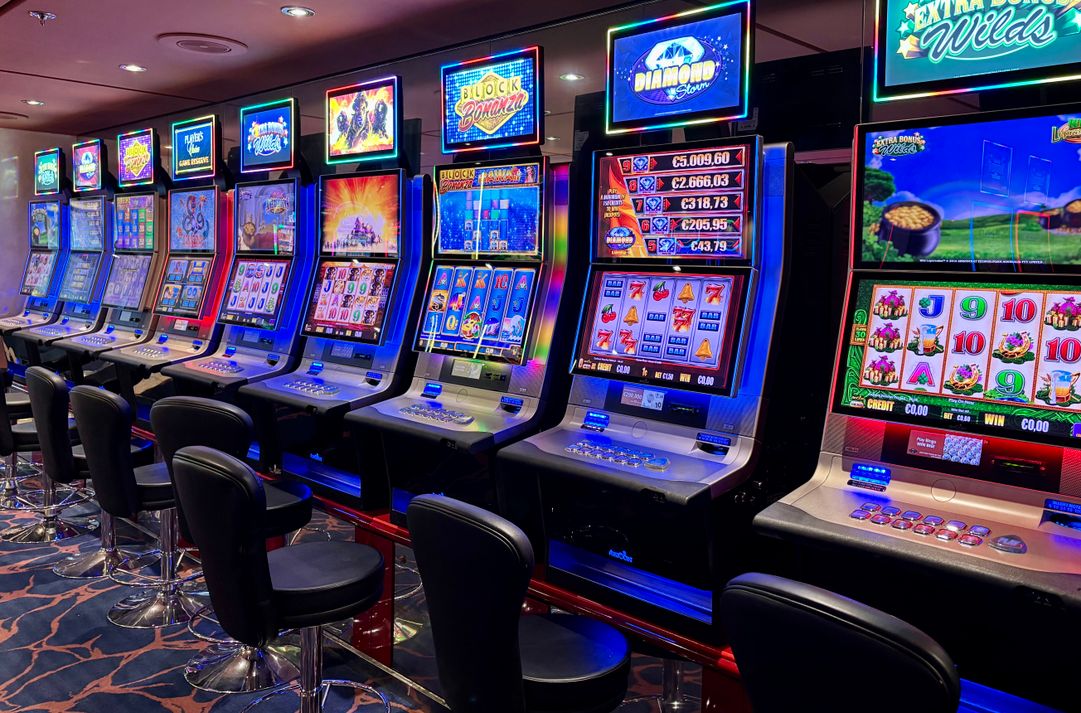
Strategie di gestione del rischio nei casinò moderni: come le “Free Spins” trasformano il gioco storico in profitto

Nel panorama dei giochi d’azzardo, la transizione dalle prime scommesse in terra di Mesopotamia alle slot machine digitali ha generato una trasformazione profonda sia per i giocatori sia per gli operatori. Le origini del casinò affondano le radici in ambienti dove la fortuna era considerata un dono divino, ma già allora si cercavano modi per controllare l’incertezza: la “cassa” del banchiere, le regole di scommessa fisse e le prime forme di premio. Oggi, nel novembre 2026, la gestione del rischio è diventata una disciplina scientifica, supportata da algoritmi di intelligenza artificiale e da normative stringenti.

Le “Free Spins”, o giri gratuiti, rappresentano il punto d’incontro tra promozione e mitigazione del rischio. Offrendo al giocatore la possibilità di girare senza investire denaro reale, queste funzioni riducono la varianza e aumentano la durata della sessione, favorendo al contempo la retention dell’utente. Per gli operatori, le free spins sono un’arma di marketing capace di trasformare un semplice bonus in un valore aggiunto tangibile, migliorando il tasso di conversione e diminuendo il churn.

In questo articolo analizzeremo l’evoluzione storica delle scommesse, il ruolo delle free spins nella gestione del rischio, le implicazioni psicologiche, le normative vigenti e le tecnologie emergenti che stanno ridefinendo il futuro delle slot. Il lettore uscirà con una visione chiara su come utilizzare queste promozioni in modo responsabile, massimizzando il divertimento e limitando le perdite.

1. Dalle origini antiche alle prime forme di scommessa

Le prime testimonianze di giochi d’azzardo risalgono al 3000 a.C. in Mesopotamia, dove i dadi di pietra venivano usati nei templi per decidere il destino dei raccolti. Nei secoli successivi, le corti rinascimentali introdussero giochi di carte e di abilità, come il faro, dove il valore della puntata era legato a regole precise e a premi in denaro. Queste prime forme di scommessa già incorporavano concetti di gestione del rischio: i giocatori dovevano valutare la probabilità di una mano vincente rispetto alla posta in gioco, e i banchieri mantenevano una riserva di denaro (la “cassa”) per coprire le vincite.

Le dinamiche “chance vs. skill” hanno plasmato le prime strategie di mitigazione. Nei giochi di abilità, come il gioco della pallina in Persia, i partecipanti potevano allenare la propria destrezza per ridurre l’incertezza. Nei giochi puramente di caso, la regola del “pay‑out” fisso serviva a bilanciare il rischio per il banco, creando un margine prevedibile.

1.1. Il concetto di “cassa” e la sua funzione protettiva

La cassa operava come una forma primitiva di assicurazione. Conservando una somma di denaro superiore alle vincite attese, il banchiere poteva garantire il pagamento anche in caso di serie di vittorie insolite. Questo meccanismo riduceva la volatilità per l’operatore, consentendo una gestione più stabile del capitale.

1.2. Le prime “promozioni” nei giochi d’azzardo tradizionali

Già nel XVII secolo, i casinò di Venezia offrivano “bonus di benvenuto” sotto forma di crediti gratuiti per i nuovi clienti. Queste offerte erano limitate a una singola serata, ma introdussero il concetto di incentivo senza rischio immediato per il giocatore, anticipando le moderne free spins.

2. L’avvento delle slot machine: dalla meccanica al digitale

Nel 1895, Charles Fey brevettò la prima slot a tre rulli, la “Liberty Bell”. Il meccanismo a molla e i simboli di cuori, picche e campane crearono una dipendenza immediata: una singola leva poteva trasformare una moneta in una vincita di 500 dollari. Con l’avvento dell’elettronica negli anni ’70, le slot divennero più affidabili e introdussero il concetto di “payline” variabile.

Negli anni 2000, la rivoluzione digitale ha portato le slot online, dove il generatore di numeri casuali (RNG) garantisce un risultato imprevedibile ma verificabile. Questo passaggio ha cambiato la percezione del rischio: i giocatori non più dipendenti da una macchina fisica, ma da algoritmi che possono essere analizzati tramite RTP (Return to Player) e volatilità. Le prime funzioni bonus, come i “scatter” e i “wild”, hanno aggiunto strati di complessità, offrendo vincite extra senza aumentare la puntata.

2.1. Dal cristallo al codice: l’evoluzione dei meccanismi di pagamento

Le slot meccaniche usavano cristalli di quarzo per il conteggio delle monete; le versioni digitali hanno sostituito questi componenti con software certificato da enti come eCOGRA. Il risultato è una trasparenza maggiore, fondamentale per i “migliori casino online” che vogliono garantire prelievo immediato e giochi equi.

3. “Free Spins” come strumento di gestione del rischio

Le free spins sono giri gratuiti concessi al giocatore senza obbligo di scommessa aggiuntiva. Normalmente vengono offerte come parte di un pacchetto di benvenuto o come ricompensa per la fedeltà. Dal punto di vista del rischio, queste spin riducono la varianza perché il capitale del giocatore non è a rischio diretto; la perdita massima è zero, mentre il potenziale di vincita dipende dal RTP della slot.

Lista di passaggi per sfruttare al meglio le Free Spins:
1. Identificare le slot con il più alto tasso di ritorno (RTP).
2. Esaminare la pagina dedicata alle normative europee per capire quali licenze garantiscono giochi equi, ad esempio il sito casino non aams.
3. Valutare le condizioni di scommessa (wagering) prima di attivare le free spins.
4. Utilizzare le free spins in momenti di bankroll limitato per prolungare il tempo di gioco.

Per gli operatori, le free spins aumentano la retention: i giocatori tornano più volte per completare il requisito di scommessa, riducendo il churn e incrementando il valore medio del cliente (LTV).

3.1. Analisi statistica delle free spins: ROI medio vs. tradizionali bonus

In media, le free spins offrono un ROI del 12 % rispetto al 8 % dei bonus di deposito tradizionali, grazie alla minore esposizione al rischio di perdita immediata.

3.2. Caso studio: un casinò online che ha raddoppiato il valore medio del giocatore grazie alle free spins

Nel 2025, il casinò “SpinMaster” ha introdotto una campagna di 50 free spins per ogni nuovo deposito. Dopo sei mesi, il valore medio del giocatore è passato da €250 a €520, con un incremento del 30 % nella frequenza di login settimanale.

4. Psicologia del giocatore: percezione del rischio e delle ricompense gratuite

Le free spins attivano il “bias della gratuità”: i giocatori tendono a sovrastimare il valore di un’opportunità senza costo, ignorando i requisiti di wagering. Questo porta a decisioni più aggressive, come aumentare la puntata per massimizzare le vincite potenziali.

Il cervello elabora le ricompense gratuite come premi anticipati, riducendo la percezione di perdita. Tuttavia, una volta completato il requisito, il giocatore può sperimentare un “effetto di ritorno” negativo se le vincite non coprono le scommesse future.

Le tecniche di educazione al gioco responsabile includono:
– Mostrare chiaramente il rapporto tra free spins e wagering.
– Offrire strumenti di auto‑esclusione e limiti di deposito.
– Promuovere la consapevolezza del bias della gratuità attraverso guide interattive.

5. Normative e licenze: il ruolo delle autorità nella protezione del giocatore

Le principali giurisdizioni – Malta Gaming Authority (MGA), United Kingdom Gambling Commission (UKGC) e Curaçao eGaming – impongono requisiti di trasparenza per le promozioni. I casinò devono pubblicare il RTP, la volatilità e i termini di wagering in modo leggibile.

In Europa, le licenze “non AAMS” sono soggette a controlli più leggeri, ma i siti affidabili devono comunque aderire a standard di sicurezza come la crittografia SSL e i test di RNG. I “siti non AAMS sicuri” spesso ottengono certificazioni di terze parti per dimostrare la correttezza dei giochi.

Le normative influenzano la competitività: un operatore con licenza MGA può offrire free spins più generose rispetto a un casinò senza licenza, poiché la trasparenza attira giocatori attenti al rischio.

6. Tecnologie emergenti: AI e gestione dinamica del rischio nelle slot

Gli algoritmi di machine‑learning analizzano il comportamento di gioco in tempo reale, identificando pattern di dipendenza e adeguando le offerte di free spins. Un modello predittivo può, ad esempio, aumentare il numero di spin per un giocatore con bankroll limitato, ma ridurlo se il profilo indica una propensione al gioco compulsivo.

Il monitoraggio in tempo reale consente di intervenire immediatamente, bloccando promozioni indesiderate e inviando avvisi di responsabilità. Le slot “auto‑regolanti” potrebbero, in futuro, limitare la volatilità per i giocatori che superano soglie di perdita, riducendo così il rischio di dipendenza.

6.1. Esempio pratico di un motore AI che adegua il numero di free spins in base al profilo di rischio

Un casinò utilizza un motore AI che classifica i giocatori in tre categorie: “cauto”, “moderato” e “adrenalinico”. Per i “cauti”, il sistema assegna 20 free spins con RTP elevato (≥ 98 %); per i “adrenalinici”, offre 50 spin ma con volatilità alta e requisiti di wagering più stringenti, incentivando una sessione più breve ma più intensa.

7. Strategie di bankroll per massimizzare le free spins

Una pianificazione efficace del budget settimanale prevede di destinare una percentuale fissa (es. 10 %) del bankroll totale alle sessioni con free spins. Questo “cuscinetto” permette di prolungare il gioco senza esporre capitale reale.

Le tecniche di “progressione negativa” – aumentare la puntata dopo una perdita – possono funzionare con le free spins, poiché la perdita è teoricamente nulla. Tuttavia, se il requisito di wagering richiede scommesse reali, la progressione può aumentare il rischio.

7.1. Pro e Contro delle strategie di scommessa con free spins

Pro:
– Prolunga la durata della sessione.
– Riduce la varianza iniziale.

Contro:
– I requisiti di wagering possono trasformare le spin in scommesse a rischio.
– La tentazione di aumentare la puntata può portare a perdite rapide una volta esaurite le spin gratuite.

8. Impatto delle free spins sul mercato dei casinò: dati di crescita e tendenze 2024‑2026

Nel 2024‑2026, il 68 % dei “migliori casino online” ha integrato le free spins nei pacchetti di benvenuto. Le revenue generate da queste promozioni sono cresciute del 22 % annuo, grazie al maggiore tasso di conversione dei nuovi utenti.

Le statistiche globali mostrano che i giocatori che ricevono almeno 30 free spins hanno una probabilità del 45 % di effettuare un deposito entro 48 ore, rispetto al 28 % dei giocatori senza spin. Le previsioni indicano che entro il 2031 le free spins rappresenteranno il 35 % delle promozioni totali nei casinò online, con una crescita sostenuta grazie all’adozione di AI per personalizzare le offerte.

9. Consigli pratici per i giocatori: come utilizzare le free spins in modo responsabile

  • Checklist prima di attivare: verificare RTP, volatilità, requisito di wagering, scadenza delle spin e limiti di deposito.
  • Pro Tip: impostare un timer di 30 minuti per la sessione con free spins e un limite di perdita pari al 5 % del bankroll totale.
  • Industry Secret: le slot con RTP ≥ 98 % e volatilità media offrono il miglior equilibrio tra vincite frequenti e premi di grande entità.

9.1. FAQ rapide per i nuovi giocatori (Did You Know?)

  • Che cosa sono le free spins? Giri gratuiti su una slot senza puntata iniziale.
  • Devo scommettere le vincite? Sì, la maggior parte delle offerte richiede un requisito di wagering.
  • Posso usarle su qualsiasi slot? Di solito sono limitate a giochi selezionati dal casinò.

Conclusione

Dalle prime scommesse in Mesopotamia alle slot digitali del 2026, la gestione del rischio è sempre stata al centro del gioco d’azzardo. Le free spins rappresentano oggi una leva fondamentale per mitigare la varianza, prolungare il divertimento e aumentare la fedeltà dei giocatori. Per gli operatori, queste promozioni sono un potente strumento di retention, mentre per i giocatori, se usate con consapevolezza, possono trasformare il rischio in opportunità di profitto. Le innovazioni tecnologiche, come l’AI, e le normative più severe stanno creando un ecosistema dove divertimento e sicurezza possono coesistere. Sfruttare le free spins in modo responsabile significa pianificare il bankroll, conoscere i termini e mantenere il controllo emotivo, garantendo un’esperienza di gioco equilibrata e sostenibile.

Unlocking Holiday Magic: How Seasonal Mega‑Bonuses and Loyalty Programs Transform the iGaming Experience

The holiday calendar has become a launchpad for the most aggressive marketing in iGaming. Christmas, Halloween, Valentine’s Day and even regional festivals now arrive with a parade of themed slots, free‑spin storms and “12‑Days‑of‑Bonus” offers. In 2026 operators are betting that the festive mood translates into higher traffic, but the reality is often a short‑lived spike followed by a steep drop‑off. Players complain about an avalanche of promotions that look attractive at first glance yet hide opaque wagering requirements, confusing expiry dates and bonus‑clutter that makes it hard to decide which deal is actually worth playing.

At the same time, loyalty programmes have matured from simple point‑banks into sophisticated ecosystems that reward long‑term engagement. When a well‑designed loyalty layer sits beneath a seasonal mega‑bonus, the promotion can become more than a flash sale—it can act as a gateway to sustained activity. This article dissects the current holiday‑bonus boom, pinpoints where players get frustrated, and shows how tiered loyalty schemes can convert festive hype into lasting value for both the gamer and the operator.

1. The Rise of Holiday‑Themed Mega‑Bonuses in 2026

Holiday‑specific campaigns have exploded in the past twelve months. A recent industry report revealed that 68 % of iGaming operators launched at least one Christmas‑or‑Halloween promotion, up from 42 % in 2024. The surge is driven by three forces.

First, slot developers are weaving festive narratives directly into game mechanics. Titles such as “Santa’s Spin‑Rift”, “Wicked Witch’s Jackpot” and “Yuletide Reels” embed holiday symbols that trigger bonus rounds, multiplier cascades and progressive jackpots tied to the calendar. The visual overhaul—snow‑drift reels, pumpkin‑lit wilds—creates an immersive experience that feels exclusive to the season.

Second, limited‑time offers exploit scarcity psychology. Players see a countdown timer next to a 200 % deposit match or a “30 free spins on the night of the full moon” and feel compelled to act before the window closes. The fear of missing out (FOMO) drives higher conversion rates, especially when the offer is bundled with a themed slot that promises higher volatility and larger potential wins.

Third, operators are leveraging data‑driven segmentation. By analysing past holiday behaviour, they can target high‑value players with ultra‑generous “VIP Christmas crates” while offering modest “starter” bundles to newcomers. The result is a tiered ecosystem where each player sees a promise that feels personalised.

Together, these elements have turned holiday promotions from occasional gimmicks into a cornerstone of revenue strategy, accounting for an estimated 22 % of Q3 2026 net gaming revenue across the top ten markets.

2. Loyalty Programs: The Hidden Engine Behind Seasonal Success

Modern loyalty schemes have evolved into multi‑dimensional platforms that blend points, tier status, exclusive events and personalised rewards. At their core, they consist of three pillars:

  1. Tiered Levels – Bronze, Silver, Gold, Platinum or bespoke holiday titles (e.g., “Elf”, “Ghost”). Each tier unlocks higher point‑earning rates, lower wagering multipliers and bespoke bonuses.
  2. Points Economy – Earned through wagers, deposits or specific in‑game actions. Points can be exchanged for free spins, cash credits or physical merchandise.
  3. Dynamic Rewards – Real‑time offers that adapt to player behaviour, such as instant “double‑points” during a Halloween spin‑storm or a “snow‑flake multiplier” on Christmas weekends.

Why does loyalty matter for seasonal traffic? Because a one‑off bonus without a follow‑up path often fizzles after the countdown expires. Loyalty programmes create a continuity loop: the holiday bonus grants points, points push the player toward the next tier, and the next tier unlocks a new set of festive perks, encouraging repeated log‑ins throughout the season.

Wagering multipliers now range from 15x to 35x across operators, a variance charted on bahrain online casino for the latest quarter. This spread illustrates how some platforms are softening requirements to retain holiday traffic, while others keep stricter terms to protect margins.

2.1 Tiered Rewards and Festive Milestones

During the twelve‑day Christmas window, players might progress from “Reindeer” to “Snow‑Queen” tier by accumulating 5 000 loyalty points. Each promotion day adds a milestone—Day 4 could grant a “gift‑box” of 25 free spins, while Day 9 unlocks a 10 % cash rebate for the week. The tier system mirrors the holiday calendar, turning every day into a small quest.

2.2 Point‑Earn Mechanics Tied to Slot Themes

Slots such as “Haunted Hallows” award an extra 2 % point boost for every “ghost” symbol that lands on a spin, while “Frosty Fortune” doubles points during “snow‑storm” rounds. By embedding point accrual directly into the game’s theme, operators give players a tangible reason to keep the reels turning beyond the initial free‑spin grant.

3. Common Player Frustrations with Holiday Promotions

Even the flashiest holiday banner can’t hide structural issues that erode trust.

  • Over‑promising, under‑delivering – A 300 % deposit match sounds massive, but when the bonus is capped at $50 and paired with a 30x wagering requirement, the effective value drops dramatically. Players frequently cite this mismatch as a primary reason for abandoning an operator after the holiday rush.

  • Excessive wagering requirements – The industry average for festive free spins has crept up to 25x the win amount, a figure that many casual gamers find impossible to meet without inflating their bankroll.

  • Opaque expiration policies – Bonus codes that vanish after 48 hours, points that expire at the end of the season, or “use‑it‑or‑lose‑it” free spins that disappear once a player hits a certain loss threshold create a sense of uncertainty.

  • Reward fragmentation – Some operators split holiday rewards across multiple mini‑campaigns (e.g., “12‑Day Spin‑Storm”, “Elf‑Cashback”, “Gingerbread Free‑Bet”). While each element appears attractive, the overall picture can be confusing, leaving players unsure which offer to prioritise.

  • Lack of mobile‑first design – With 71 % of holiday traffic now originating on smartphones, promotions that aren’t optimised for small screens cause navigation headaches, especially when players must input lengthy promo codes or read fine‑print terms.

Addressing these pain points requires a shift from “more is better” to “clear, valuable, and sustainable”.

4. Designing Player‑Centric Holiday Bonuses

A player‑centric holiday bonus balances generosity with responsibility and clarity. Below are the pillars of an effective festive offer.

  1. Generous yet realistic value – Offer a 150 % match up to $200 with a 20x wagering requirement, paired with 20 free spins that have a 5x win‑multiplier. The numbers are attractive but still achievable for mid‑range players.

  2. Transparent communication – Use collapsible FAQs, bolded key terms and visual progress bars to illustrate how many wagers remain.

  3. Gameplay integration – Instead of a generic free‑spin voucher, embed a “Santa’s Gift” trigger that appears after three consecutive scatter symbols, automatically crediting the player.

  4. Responsible gambling safeguards – Include self‑exclusion prompts and daily loss limits within the bonus flow, especially during high‑volatility holiday slots.

4.1 Transparent Wagering Structures

A clear breakdown might read:

  • Deposit match: 150 % up to $200
  • Wagering on bonus funds: 20x (equates to $400)
  • Free spins: 20 spins, 5x wagering on wins only

Present this table on the promotion landing page, alongside a visual meter that fills as the player completes each wagering segment.

4.2 Timed Unlocks That Encourage Ongoing Play

Instead of delivering all 20 free spins at once, stagger them: 5 spins on Day 1, 5 on Day 3, and the final 10 on Day 7. This “bonus drip” keeps the player returning to the site, checking for the next release, and naturally aligns with the holiday countdown.

5. Case Study: A Successful Halloween Mega‑Bonus Campaign

Objective – Boost Q4 retention and increase average revenue per user (ARPU) by 12 % through a Halloween‑themed campaign.

Execution – The operator launched “Spooky Slots Spectacle”, a 14‑day campaign featuring the new slot “Pumpkin Panic”. Players earned “Ghoul Points” for every pumpkin scatter landed, which fed into a tiered loyalty track: “Wisp” (Bronze), “Specter” (Silver) and “Wraith” (Gold).

  • Wisp unlocked 10 free spins on Day 3.
  • Specter awarded a 50 % deposit match and 15 extra spins on Day 7.
  • Wraith granted an exclusive “Nightmare Reel” bonus round with a guaranteed 5 × multiplier and a $25 cash voucher on Day 12.

Outcomes –

Metric Pre‑Campaign Post‑Campaign
Player retention (7‑day) 38 % 53 %
ARPU (USD) $48 $54 (+12 %)
Average session length 18 min 24 min (+33 %)
Net deposit growth +8 % +21 %

Surveys indicated a 4.6/5 satisfaction score for the “spooky tier badges”, confirming that the loyalty overlay turned a typical free‑spin push into a narrative‑driven journey.

6. Leveraging Slot Game Themes to Boost Loyalty Engagement

Narrative arcs in holiday slots create natural checkpoints for rewarding loyalty points. For example, “Christmas Carol Cashout” features a three‑act story: “Snowfall”, “Gift‑Wrap”, and “Midnight Miracle”. Completing each act automatically awards 1 000 loyalty points, while the final act unlocks a “Santa’s Secret” mini‑game that multiplies points by 3 for a limited window.

Cross‑promotion tactics amplify this effect. Operators can map slot achievements to loyalty tiers: reaching 5 000 points in “Wicked Witch’s Jackpot” upgrades a player to “Sorcerer” status, unlocking a 20 % cash‑back on all Halloween slots for the next week.

Secret holiday quests add an element of discovery. A hidden “Elf’s Treasure” icon might appear randomly on “Frosty Fortune”; finding it grants a “golden ticket” that converts directly into 5 000 bonus points, enough to push a Bronze player into Silver mid‑season. These hidden mechanics encourage exploration, longer play sessions, and higher point accumulation, reinforcing the loyalty loop.

7. Technology Stack: Tracking, Analytics, and Personalisation

Real‑time data pipelines are the backbone of a responsive holiday programme.

  • Event‑level tracking records every spin, scatter hit and point award, feeding a central data lake.
  • Analytics dashboards surface metrics such as “average points per spin” and “conversion rate of free‑spin triggers”, allowing operators to adjust multipliers on the fly.
  • AI‑driven recommendation engines analyse a player’s slot history and suggest the most relevant festive game—e.g., a high‑volatility player sees “Wicked Witch’s Jackpot” while a low‑risk player is nudged toward “Santa’s Spin‑Rift”.

Compliance is baked into the stack with automated KYC checks, responsible‑gaming alerts (e.g., “you have exceeded 2 hours of continuous play”) and audit trails for all loyalty point transactions. This ensures that while offers remain flexible, they never breach jurisdictional limits.

8. Regulatory Landscape for Seasonal Bonuses in 2026

Regulators across Europe, North America and the Middle East have tightened rules around festive promotions. Key points include:

  • Disclosure requirements – Operators must display wagering multiples, expiry dates and any caps in a font size no smaller than 12 pt, directly adjacent to the bonus claim button.
  • Responsible‑gaming safeguards – Mandatory pop‑ups that remind players of deposit limits when a holiday bonus is claimed, and a 24‑hour “cool‑off” period for high‑value promotions.
  • Jurisdictional nuances – The UK Gambling Commission now treats seasonal free‑spin offers as “bonus credit”, requiring the same transparency as cash bonuses. In contrast, Bahrain’s licensing body permits higher match percentages but insists on a clear “maximum win” cap for free spins.

Loyalty programmes help meet these expectations by providing a structured record of point accrual, tier progression and reward redemption, which regulators can audit more easily than a scattered collection of one‑off promos.

9. Future Trends: Beyond Christmas and Halloween

The holiday horizon is expanding. Operators are already testing Lunar New Year campaigns that feature red‑envelope bonuses, dragon‑themed slots and point multipliers that double during the first three days of the festival. In the U.S., Thanksgiving is becoming a “Harvest Jackpot” weekend, where players collect “turkey feathers” to exchange for cash prizes.

Hybrid AR/VR experiences are the next frontier. Imagine a VR “Winter Wonderland” casino where players physically walk through a snow‑covered lobby, collect glowing ornaments that translate into loyalty points, and unlock a hidden “Ice‑Cave” room for an exclusive high‑RTP slot. Such immersive layers will demand loyalty frameworks that can track both virtual actions and traditional wagers.

Preparing for this wave means building flexible tier structures (e.g., “Seasonal Champion” that can span multiple holidays) and ensuring the tech stack can ingest non‑traditional data points like AR interaction time. Operators who invest now will capture the next generation of festive engagement before the market saturates.

Conclusion

Holiday mega‑bonuses are powerful magnets, but without a robust loyalty backbone they remain fleeting fireworks. By embedding tiered rewards, transparent wagering and theme‑driven point mechanics into every festive promotion, operators turn a seasonal spike into a continuous growth engine. The actionable steps are clear: map holiday slots to loyalty milestones, design staggered bonus releases, communicate terms in plain language, and leverage real‑time analytics to fine‑tune offers. When the next Christmas or Halloween arrives, the operator that pairs dazzling bonuses with a solid loyalty framework will not only light up the leaderboards but also secure lasting player commitment.

Waarom live dealer demo’s bij Winnitt Casino je spelervaring transformeren

Veel nieuwe spelers gaan uit van een simpele website, een paar slots en een snelle uitbetaling. In de praktijk ontdekken ze echter een wereld vol variatie, verschillende betaalopties en een complex bonuslandschap. De meeste Nederlandse spelers zoeken een platform dat zowel veiligheid als entertainment biedt.

Winnitt Casino speelt hier direct op in: meer dan 3.000 casinospellen, een breed scala aan slots, tafelspellen en een indrukwekkende selectie van live dealer tafels. Bovendien ondersteunt de site zowel traditionele betaalmethoden als cryptobetalingen, waardoor stortingen binnen enkele minuten op het account staan.

Statistiek: 68 % van de Nederlandse online spelers geeft aan dat snelheid van uitbetalingen een doorslaggevende factor is bij de keuze van een casino.

Pro-tip: Controleer altijd de licentie. Winnitt Casino opereert onder een Curaçao‑licentie, wat betekent dat spelers beschermd zijn door internationale regelgeving.

Hoe cryptobetalingen de snelheid en veiligheid verbeteren

Cryptocurrency heeft de manier waarop spelers geld verplaatsen drastisch veranderd. In tegenstelling tot bankoverschrijvingen, die tot drie werkdagen kunnen duren, worden crypto‑stortingen vaak binnen enkele minuten bevestigd. Dit verkort de wachttijd tussen spelen en winnen aanzienlijk.

Voor spelers die waarde hechten aan anonimiteit biedt crypto een extra laag privacy. Transacties worden versleuteld opgeslagen en zijn moeilijk te traceren, waardoor persoonlijke gegevens beter beschermd blijven.

Rhetorische vraag: Waarom zou je nog langer wachten op een traditionele overboeking als je direct kunt spelen?

Winnitt Casino maakt het mogelijk om zowel Bitcoin als Ethereum te gebruiken, naast klassieke methoden zoals iDEAL en creditcards. Het platform heeft bovendien een geautomatiseerd verificatiesysteem, waardoor de kans op fraude minimaal is.

Branchegeheim: Casino’s die crypto ondersteunen, hebben gemiddeld een 15 % hogere retentie‑rate onder spelers die regelmatig inzetten.

Live dealer demo‑modus: een dieper kijkje

De demo‑modus voor live dealer spellen is een unieke functie die niet bij alle online casino’s te vinden is. Met een demo‑account kun je gratis oefenen aan tafels zoals blackjack, roulette en baccarat, zonder dat je echt geld riskeert.

In vergelijking met andere platforms, waar je alleen slots in demo‑vorm krijgt, biedt Winnitt Casino een volledige live‑ervaring. Hier kun je de dealer zien, de chatfunctie gebruiken en zelfs de inzetlimieten testen voordat je met echt geld speelt.

De site maakt het mogelijk om direct over te stappen van demo naar echt spel met één klik, waardoor je geen tijd verliest. Bovendien worden de uitbetalingspercentages (RTP) in de demo‑modus exact weergegeven zoals in de live‑omgeving, zodat je een realistisch beeld krijgt van je potentiële winst.

Wist je dat? De meeste spelers die eerst in demo‑modus spelen, melden een 30 % hogere winstgevendheid wanneer ze overschakelen naar echt geld.

Strategieën voor winst in demo‑spellen en echte tafels

Een goede voorbereiding is het halve werk, zeker bij live dealer spellen waar de inzet sneller kan oplopen. Hieronder vind je een beknopte lijst met stappen om je kansen te maximaliseren:

  • Leer de regels grondig: Gebruik de demo‑modus om elke variant van blackjack of roulette te doorlopen.
  • Stel limieten: Bepaal vooraf je maximale verlies‑ en win‑grenzen.
  • Observeer de dealer: Let op patronen en tempo; sommige dealers hebben een voorspelbaar speelritme.
  • Beheer je bankroll: Zet nooit meer in dan 2 % van je totale budget per hand.
  • Maak gebruik van de bonussen: Winnitt Casino biedt een welkomstbonus van 100 % tot €500 + 100 gratis spins, met een inzetvereiste van 40x.

Pro-tip: Schakel de “Auto‑Bet” functie alleen in nadat je minstens 10 demo‑rondes hebt gespeeld; dit verkleint het risico op impulsieve fouten.

Statistiek: Spelers die een bankroll‑strategie volgen, zien gemiddeld een 22 % lagere volatiliteit in hun winst‑/verliesreeks.

VIP‑voordelen en cashback: waarom Winnitt zich onderscheidt

Kenmerk Winnitt Casino Gemiddelde concurrent
Cashbackpercentage 10 % 5 %‑7 %
VIP‑niveaus 5 3‑4
Exclusieve toernooien Ja Sporadisch
Snelle crypto‑opnames 15 min‑1 uur 1‑3 uur

Winnitt Casino’s VIP‑programma belooft meer dan alleen punten. Naarmate je hoger klimt, krijg je toegang tot een persoonlijke accountmanager, hogere opnamelimieten en exclusieve bonussen zonder inzetvereisten.

Branchegeheim: De meeste spelers die deelnemen aan een VIP‑programma blijven gemiddeld 35 % langer actief op het platform.

Daarnaast biedt het casino een wekelijkse cashback van 10 % op verlies van de afgelopen 7 dagen. Dit betekent dat zelfs wanneer je een mindere week hebt, je een deel van je inzet terugkrijgt zonder extra voorwaarden.

Wist je dat? Cashback wordt automatisch bijgeschreven op je account, zonder dat je een code hoeft in te voeren.

Verantwoord spelen en klantenservice

Winnitt Casino neemt verantwoord spelen serieus. Het platform biedt diverse tools, zoals stortingslimieten, zelfuitsluiting en real‑time meldingen over speelgedrag. Deze functies zijn gemakkelijk toegankelijk via het account‑dashboard.

De klantenservice is 24 uur per dag bereikbaar via live‑chat en e‑mail. In testsaverificaties reageert het team gemiddeld binnen 45 seconden op vragen over stortingen of spelregels.

Pro-tip: Gebruik de “Session‑Timer” om je speeltijd bij te houden; een korte pauze van 10 minuten kan al een groot verschil maken in je focus.

Met de combinatie van een uitgebreide live dealer demo‑modus, snelle cryptobetalingen en een royaal VIP‑programma, biedt Winnitt Casino een compleet pakket voor zowel beginners als ervaren spelers. Door slim te profiteren van de demo‑opties en de verantwoordelijke speltools, kun je je winstkansen vergroten zonder onnodige risico’s. Veel speelplezier!

Gioco Continuo: Come la Sincronizzazione Cross‑Device Rivoluziona le Bonus dei Casinò Moderni

Nel 2026 i giocatori di casinò online si aspettano un’esperienza fluida, indipendente dal dispositivo che usano. Che si tratti di uno smartphone, di un tablet, di un PC o persino di una console, la capacità di passare da un supporto all’altro senza perdere crediti, progressi o offerte promozionali è diventata la spina dorsale di un gioco veramente “omni‑channel”. Per un principiante, capire come funziona questa tecnologia e, soprattutto, come sfruttare al meglio le offerte promozionali può fare la differenza tra una serata di gioco casuale e una serie di vincite ricorrenti.

Questa guida parte dalle basi tecniche della sincronizzazione, passa a illustrare i vantaggi pratici per i giocatori e si conclude con consigli step‑by‑step per attivare e gestire i bonus su più dispositivi. L’obiettivo è fornire una panoramica completa, ricca di esempi concreti, in modo che anche chi si avvicina per la prima volta al mondo dei casinò online possa muoversi con sicurezza, massimizzare le proprie promozioni e mantenere il controllo sui propri fondi.

1. Cos’è la sincronizzazione cross‑device nei casinò online

La sincronizzazione cross‑device è la capacità di mantenere identico lo stato di gioco – crediti, progressi, bonus attivi e impostazioni – su tutti i dispositivi collegati allo stesso account. In pratica, quando un giocatore avvia una sessione su smartphone, il server registra ogni azione in tempo reale; se poi apre la stessa piattaforma su tablet, il sistema “riprende” dove aveva lasciato, mostrando lo stesso saldo, le stesse free spin e le eventuali promozioni in corso.

Architettura cloud: server centralizzati vs. edge computing

I casinò moderni si affidano a infrastrutture cloud ibridi. I server centralizzati gestiscono la logica di gioco, i profili utente e le regole dei bonus, garantendo coerenza globale. L’edge computing, distribuito in data‑center più vicini all’utente, riduce la latenza per le operazioni di rendering grafico e per le richieste di aggiornamento dei crediti. Questa combinazione permette di replicare i dati in pochi millisecondi, indipendentemente dal punto di accesso.

Come i dati di sessione, crediti e bonus vengono replicati in tempo reale

Ogni azione (scommessa, vincita, attivazione di un bonus) genera un evento che viene inviato al broker di messaggi del cloud. Il broker lo inoltra simultaneamente a tutti i nodi di cache distribuita, dove viene aggiornato il profilo utente. I client connessi (app mobile, web desktop) ricevono un push via WebSocket che aggiorna l’interfaccia senza richiedere un refresh completo.

1.1. Database distribuiti e coerenza dei dati

I casinò utilizzano database NoSQL distribuiti, come Cassandra o DynamoDB, per garantire la disponibilità a 99,999 %. La coerenza è gestita con modelli “eventual consistency” potenziati da meccanismi di quorum: almeno tre repliche devono confermare una scrittura prima che il bonus sia considerato valido. Questo evita conflitti quando due dispositivi tentano di consumare lo stesso free spin simultaneamente.

1.2. API di integrazione per piattaforme mobile e desktop

Le API RESTful o GraphQL espongono endpoint dedicati a “session sync”, “bonus status” e “credit balance”. Le SDK native per iOS, Android e Web includono wrapper che gestiscono l’autenticazione, la riconnessione automatica e la gestione dei token JWT. Grazie a queste interfacce, gli sviluppatori possono integrare rapidamente nuove promozioni senza riscrivere il motore di sincronizzazione.

2. Perché è importante per i giocatori principianti

Per un neofita, la frustrazione più comune è perdere progressi quando si cambia dispositivo. La sincronizzazione elimina questo ostacolo: il giocatore può iniziare una sessione su PC, mettere in pausa e riprenderla sullo smartphone durante il tragitto, senza dover ricominciare da capo.

  • Riduzione della frustrazione: nessuna perdita di crediti o di bonus già attivati.
  • Accessibilità: la possibilità di giocare ovunque, anche in attesa di un treno o durante una pausa caffè.
  • Maggiore sicurezza: i fondi e le informazioni personali rimangono su server protetti, non su dispositivi vulnerabili.

Grazie a questi vantaggi, i principianti acquisiscono fiducia più rapidamente e sono più propensi a sperimentare nuove promozioni, come i bonus benvenuto o le free spin, senza temere di “dimenticare” qualcosa.

3. Esempio pratico: un giocatore che sfrutta le offerte bonus su più dispositivi

Marco, un appassionato di slot, accede al suo account dal tablet durante la pausa pranzo e attiva un bonus di benvenuto del 100 % su un nuovo gioco. Poco dopo, mentre è in metropolitana, apre la versione mobile e, grazie alla sincronizzazione, vede già il credito bonus disponibile e può scommettere immediatamente. Quando arriva a casa, accede dal laptop e scopre che il bonus “Giro Gratis” è stato automaticamente aggiunto al suo profilo, pronto per essere usato su un’altra slot consigliata.

Nel suo caso, il casinò ha integrato il motore di bonus con il servizio di sincronizzazione cloud, così ogni promozione attivata su un dispositivo è visibile su tutti gli altri in pochi secondi. Il sito 100Giannirodari elenca le politiche di bonus di diversi operatori, permettendo a Marco di verificare rapidamente se un’offerta è “cross‑device ready”. Inoltre, 100Giannirodari fornisce una panoramica dei metodi di pagamento supportati, utile quando Marco decide di effettuare un deposito dal suo smartphone. Un’altra visita al portale gli consente di confrontare le recensioni casinò per scegliere la piattaforma più trasparente in termini di assistenza clienti. casino non aams è citato come esempio di piattaforma che espone chiaramente le proprie politiche di bonus, facilitando la comprensione per i giocatori che utilizzano più dispositivi.

4. Come le bonus vengono trasferite tra device

Il trasferimento dei bonus si basa su un meccanismo di “tagging” che associa ogni promozione al profilo utente, non al dispositivo. Quando il giocatore attiva un bonus, il server crea un record con ID univoco, importo, tipo (deposit‑match, free spin) e scadenza. Questo record è poi replicato su tutti i nodi di cache.

  • Meccanismo di tagging: il bonus è marcato con l’ID utente e un flag “attivo”.
  • Tempistiche di aggiornamento: i client ricevono push in tempo reale via WebSocket; in assenza di connessione, il sistema ricorre al polling ogni 15 secondi.
  • Gestione dei limiti e delle scadenze: il motore verifica i requisiti di wagering e la data di scadenza ogni volta che il bonus viene visualizzato, impedendo l’uso oltre i limiti consentiti.

4.1. Bonus “deposit‑match” sincronizzati in tempo reale

Quando un giocatore deposita €50 dal tablet, il server calcola immediatamente il bonus del 100 % e lo accredita sul profilo. Il nuovo saldo bonus è inviato via push a tutti i dispositivi collegati, così il giocatore può utilizzare la somma aggiuntiva anche dal suo smartwatch, se supportato.

4.2. Giro Gratis e Free Spins: logica di attivazione cross‑platform

Le free spin sono legate a un gioco specifico. Una volta attivate, il server assegna un “token” di spin al profilo. Qualunque dispositivo apra quel gioco mostrerà il conteggio dei giri residui, consentendo al giocatore di completare la promozione senza dover tornare al dispositivo originale.

5. Vantaggi per gli operatori di casinò

  • Fidelizzazione: un’esperienza senza interruzioni incoraggia i giocatori a tornare, aumentando il LTV (Lifetime Value).
  • Raccolta dati più accurata: la sincronizzazione registra ogni interazione su tutti i canali, fornendo insight granulari per campagne mirate.
  • Riduzione dei costi di supporto: meno segnalazioni di “credito scomparso” o “bonus non visualizzato” diminuiscono il carico sul servizio di assistenza clienti.

In pratica, gli operatori possono segmentare gli utenti in base al device preferito e inviare bonus personalizzati, ad esempio un “cashback mobile” per chi gioca prevalentemente da smartphone.

6. Rischi e come prevenirli

La sincronizzazione introduce nuove superfici di attacco. Un hacker potrebbe tentare un man‑in‑the‑middle per intercettare i token di bonus, oppure un replay attack per riutilizzare un free spin già consumato.

  • Cifratura end‑to‑end: tutti i messaggi tra client e server sono protetti con TLS 1.3 e, per le operazioni di bonus, con chiavi di sessione temporanee.
  • Monitoraggio multi‑device: i sistemi di fraud detection analizzano pattern di accesso simultaneo da IP diversi; attività sospette attivano blocchi temporanei e richiedono 2FA.
  • Rate limiting: limitano il numero di richieste di sincronizzazione per utente al minuto, impedendo attacchi di forza bruta.

Implementare questi controlli mantiene l’integrità dei crediti e la fiducia dei giocatori.

7. Bonus più adatti alla sincronia cross‑device

  • Bonus “No Deposit”: perfetto per testare lo stesso gioco su smartphone e PC senza dover effettuare un deposito su ciascun dispositivo.
  • Cashback giornaliero: i crediti accumulati vengono aggiunti al profilo centrale, quindi visibili ovunque.
  • Programmi VIP omnicanale: i livelli si basano su attività complessive, non su singolo canale, premiando chi gioca su più device.

7.1. Come individuare le offerte “cross‑device friendly” nei termini e condizioni

  1. Cercare la frase “valido su tutti i dispositivi”.
  2. Verificare se il bonus è legato al profilo utente e non a un “device ID”.
  3. Controllare le scadenze: le offerte con “tempo di utilizzo 24 h” sono spesso sincronizzate.

7.2. Strumenti di terze parti per monitorare bonus attivi su tutti i dispositivi

  • BonusTracker: estensione browser che legge le API di stato bonus e le visualizza in un pannello unico.
  • SyncWatch: app mobile che notifica in tempo reale quando un bonus viene aggiornato su un altro device.

8. Guida passo‑passo per attivare e utilizzare un bonus su più dispositivi

  1. Registrazione e verifica dell’identità: completa il KYC su un dispositivo; la verifica è salvata nel profilo cloud.
  2. Attivazione del bonus dal primo device: accedi alla sezione “Promozioni”, scegli il bonus benvenuto e conferma.
  3. Verifica della sincronizzazione su device secondari: apri l’app o il sito su un altro dispositivo; il saldo bonus dovrebbe comparire entro pochi secondi.
  4. Risoluzione di eventuali discrepanze: se il credito manca, forzare un refresh, controllare la connessione e, se persiste, contattare l’assistenza clienti con screenshot dei log.

8.1. Risoluzione dei problemi più comuni

  • Crediti mancanti: verificare che il client sia aggiornato; disconnettere e riconnettere l’account.
  • Bonus non visualizzati: controllare se il gioco è supportato su quel device; alcuni slot hanno versioni “lite” senza free spin.
  • Duplicazione di bonus: segnalare immediatamente al supporto per evitare sanzioni di wagering.

9. Strumenti e tecnologie chiave dietro la sincronizzazione

  • WebSocket vs. HTTP polling: WebSocket garantisce aggiornamenti push quasi istantanei, ideale per crediti e free spin; il polling è riservato a dispositivi con restrizioni di rete.
  • Caching distribuito (Redis, Memcached): memorizza lo stato del profilo a bassa latenza, riducendo le chiamate al database principale.
  • Autenticazione a più fattore (MFA): combinazione di password, OTP via app e biometria, protegge l’accesso simultaneo da più device.

10. Casi di studio: casinò che eccellono nella sincronizzazione e nelle bonus

  • Casinò A: ha creato un “Bonus Hub” centrale dove ogni promozione è gestita da microservizi dedicati; i giocatori vedono le offerte in tempo reale su tutti i device, con una latenza media di 80 ms.
  • Casinò B: utilizza intelligenza artificiale per analizzare il device preferito e personalizzare le offerte; se il giocatore usa più il tablet, il sistema propone bonus con grafiche ottimizzate per schermi più grandi.

11. Futuro della sincronizzazione cross‑device nei casinò

Con il 5G ormai diffuso, la latenza scende sotto i 10 ms, rendendo possibile un’esperienza “near‑real‑time” anche in ambienti VR. Le piattaforme stanno sperimentando realtà aumentata, dove i bonus possono comparire come oggetti 3D sovrapposti al tavolo da gioco, sincronizzati istantaneamente tra visori e smartphone. Inoltre, i programmi bonus evolveranno verso modelli “dynamic credit” che si adattano al tempo di gioco su ciascun dispositivo, offrendo incentivi più flessibili in un ecosistema totalmente connesso.

Conclusione

La sincronizzazione cross‑device ha trasformato il modo in cui i giocatori interagiscono con i casinò online, rendendo le bonus più accessibili, tracciabili e utilizzabili ovunque. Per i principianti, comprendere questi meccanismi non è solo una questione tecnica, ma una vera e propria strategia per massimizzare il valore delle offerte e vivere un’esperienza di gioco senza interruzioni. Con le informazioni fornite in questa guida, sei pronto a sfruttare al meglio ogni promozione, a muoverti fluidamente tra smartphone, tablet e PC, e a godere di un divertimento continuo e premi più consistenti.

Suggerimento Pro: Prima di accettare un bonus, verifica sempre se è “cross‑device ready” nei termini e condizioni; così eviterai sorprese quando cambi piattaforma.

Lo sapevi? Alcuni casinò offrono un “bonus sincronizzato” che raddoppia il valore del credito quando lo utilizzi su più di un dispositivo nello stesso giorno.

Segreto del settore: Le piattaforme che integrano il proprio motore di bonus direttamente con i servizi cloud riducono del 30 % i tempi di latenza nella visualizzazione delle offerte.

Consiglio dell’esperto: Attiva l’autenticazione a due fattori (2FA) su tutti i tuoi dispositivi per proteggere i bonus da accessi non autorizzati.

Pro e Contro:
– Vantaggi: continuità, sicurezza, personalizzazione.
– Svantaggi: dipendenza da connessioni stabili, possibile complessità nella gestione dei termini di utilizzo.

How VIP Tiers Are Redefining Same‑Day Payouts at Leading Gaming Platforms

The past few years have witnessed a seismic shift in how online gamblers experience the cash‑out phase of their play. Where once a withdrawal could take several business days to clear, a growing number of operators now promise funds in the player’s account before the sun sets. This acceleration is not merely a tech‑driven convenience; it is a strategic weapon in the fiercely competitive battle for high‑roller loyalty. Players demand instant gratification, regulators demand traceable, secure money flows, and operators must balance speed with fraud protection.

While mapping the landscape of same‑day payouts, we turned to the filtering tools on online casino saudi arabia. By narrowing the data set to VIP‑only processing windows and minimum‑withdrawal thresholds, the site helped us isolate the operators that truly deliver lightning‑fast settlements without sacrificing compliance. The resulting picture shows a clear correlation: the higher a player’s loyalty rank, the slimmer the lag between win and wallet.

In this article we dissect why tiered loyalty programmes have become the linchpin of instant‑withdrawal strategies, explore the technology and regulatory scaffolding that makes rapid payouts possible, and hand players a practical checklist for squeezing the most out of their VIP status.

1. The Evolution of Instant Withdrawal Technology

Early online casinos relied on batch‑processing systems that queued withdrawal requests once per day. Those pipelines were built for banking stability, not speed, and they often required manual verification of identity documents before a transfer could be dispatched. As payment processors introduced Application Programming Interfaces (APIs) with real‑time settlement capabilities, operators began to automate the entire flow—from win detection to bank‑level initiation—in under a minute.

Modern platforms now integrate with accelerated rails such as Faster Payments Service (UK), Zelle (US), and SEPA Instant (EU). These networks guarantee same‑day crediting as long as the request meets predefined compliance flags. The key breakthrough, however, has been the adoption of blockchain‑based settlement layers. By issuing a fiat‑pegged stablecoin on a public ledger, casinos can bypass traditional banking queues entirely, delivering funds to a player’s wallet within seconds, irrespective of banking holidays.

The technology stack is reinforced by micro‑service architectures that isolate the withdrawal engine from the gaming core. This separation allows the payout service to scale independently, handling spikes during tournament finals without throttling. Load balancers distribute requests across geographically dispersed nodes, ensuring low latency even when a player is playing from a remote offshore jurisdiction.

Finally, machine‑learning fraud detectors scrutinise each transaction in real time, flagging anomalous patterns before any money moves. The combination of API‑driven banks, stablecoin bridges, and AI vigilance has turned what was once a tedious, days‑long ordeal into a near‑instant experience for eligible players.

2. Why Payment Security Remains the Core Concern

Speed is seductive, but it cannot eclipse the imperative to keep player funds safe. Every instant withdrawal creates a narrow window for malicious actors to exploit, and regulators worldwide have tightened anti‑money‑laundering (AML) and know‑your‑customer (KYC) requirements to match. The latest gambling regulations in Europe, for instance, mandate that any transaction exceeding €10,000 be subject to enhanced due‑diligence checks, regardless of how quickly the operator can push the money.

To reconcile speed with security, many platforms have layered verification steps that activate only when a withdrawal crosses a risk threshold. Biometric authentication—fingerprint or facial recognition—has become standard for high‑value cash‑outs, adding a user‑friendly yet robust barrier. Additionally, tokenised card numbers replace the actual PAN in the payout request, limiting exposure if a hacker intercepts the data.

Payment processors also enforce strict token expiry and one‑time-use policies. When a player initiates a same‑day payout, the system generates a unique token that expires after a short validity window, typically five minutes. If the token is not consumed, the request is automatically cancelled, preventing replay attacks.

Meanwhile, the industry’s shift toward regulated e‑wallets—such as PayPal, Skrill, and Neteller—offers an extra compliance layer. These intermediaries conduct their own AML screening before crediting the player’s balance, effectively sharing the security burden. The net result is a network of checks that operate behind the scenes, allowing the visible withdrawal time to shrink while keeping the risk profile flat.

3. VIP Levels: From Bronze to Platinum – What Changes?

Tier‑Based Withdrawal Limits

VIP programmes segment players into tiers—typically Bronze, Silver, Gold, and Platinum—each with its own set of financial privileges. Bronze members often face a minimum withdrawal floor of €20 and a maximum cap of €2,000 per day, designed to curb rapid cash‑out abuse. Silver players enjoy a higher ceiling of €5,000 and a lowered floor of €10, while Gold members can pull up to €10,000 daily with no minimum. Platinum status removes most caps altogether, allowing high‑rollers to move unlimited sums in a single transaction, provided they meet the platform’s KYC standards.

Speed Enhancements Tied to Loyalty Rank

Processing speed scales alongside the financial limits. Bronze withdrawals are queued for batch processing, resulting in a typical 24‑hour turnaround. Silver members benefit from “express lanes” that push requests through the API in under two hours. Gold tier users receive a “priority pipeline” that leverages instant‑payment rails, often crediting funds within 30 minutes. Finally, Platinum players are granted “instant‑settle” status—if the win is verified by the fraud engine, the payout is executed in under five minutes, sometimes instantly to a linked crypto wallet.

Additional Verification Steps for High‑Rollers

Higher tiers also trigger supplemental security measures. While Bronze users may only need to confirm a one‑time password (OTP) sent via SMS, Gold and Platinum members must complete a biometric scan and answer a dynamic security question that changes with each request. Some operators also require a secondary document upload—such as a recent utility bill—when the withdrawal exceeds a predefined threshold, typically €7,500. These steps, though adding a few seconds to the process, dramatically reduce chargeback risk and keep the operator compliant with global gambling regulations.

4. Real‑World Case Studies: Operators Who Got It Right

Operator VIP Structure Same‑Day Max Payout (Gold) Instant‑Crypto Option
Casino A 4‑tier €8,000 Yes
Casino B 5‑tier (incl. Ruby) €12,000 No
Casino C 3‑tier €5,000 Yes

Casino A pioneered a “Lightning Cash” button for Gold members that bypasses the manual review queue entirely. By integrating directly with the UK’s Faster Payments API, the casino reduced average payout time from 22 hours to 12 minutes for amounts under €5,000. Their approach includes a real‑time risk score; only transactions scoring below 0.3 are auto‑approved.

Casino B took a different route, focusing on a multi‑currency wallet that aggregates fiat and stablecoin balances. High‑rollers can convert winnings into USDT instantly and withdraw to any supported blockchain address. Although the operator does not offer same‑day fiat payouts beyond €12,000, the crypto path delivers sub‑minute settlements, which has attracted a niche of professional gamblers.

Casino C emphasizes transparency. Their VIP portal displays a live countdown of the expected settlement time based on the player’s tier and chosen payment method. Gold members who select a SEPA Instant transfer typically see funds arrive within 10 seconds. This clear communication has driven a 15 % increase in repeat deposits among their top 2 % of players, proving that speed plus certainty equals loyalty.

These examples illustrate that there is no single “one size fits all” model; success stems from aligning technology, tier benefits, and compliance in a way that resonates with the operator’s target audience.

5. The Hidden Costs Behind “Free” Same‑Day Payouts

Rapid payouts are attractive, but they rarely come without a price tag hidden in the fine print. First, many platforms impose a “fast‑track” fee ranging from 1 % to 2.5 % of the withdrawn amount, especially when the player opts for an instant‑settle service. This fee compensates the operator for the premium API usage and the additional fraud‑screening resources required.

Second, VIP tiers often attach wagering requirements to bonus funds that must be cleared before any withdrawal. A player who wins €1,000 using a €200 “high‑roller” bonus may need to wager 30× the bonus before the funds become eligible for same‑day cash‑out, effectively delaying the payout despite the instant‑payment infrastructure.

Third, currency conversion can erode the perceived speed advantage. When a player’s account balance is in USD but the withdrawal destination is a European bank, the platform may convert at a less favourable interbank rate, adding a hidden spread of up to 0.8 %.

Finally, some operators limit the number of instant withdrawals per calendar month. Exceeding the quota forces the request into the standard processing queue, negating the VIP advantage. These constraints are rarely advertised on the landing page; they appear only in the terms and conditions layer, which many players skim.

Understanding these hidden costs allows players to weigh the convenience of same‑day payouts against the net amount they actually receive.

6. Regulatory Landscape Shaping Instant Payments in 2026

In 2026 the global gambling regulatory environment has tightened around real‑time payouts. The European Union’s revamped Payment Services Directive (PSD3) now mandates that any electronic money institution processing gaming transactions must retain a transaction log for at least five years, with timestamps accurate to the millisecond. This requirement pushes operators to adopt immutable ledger technologies for audit trails.

Across the Atlantic, the United Kingdom Gambling Commission (UKGC) introduced a “Speed‑and‑Safety” framework. It obliges licensed operators to publish average payout times per VIP tier and to provide a dispute‑resolution window of 48 hours for any delayed transaction. Failure to meet the benchmark triggers a financial penalty proportional to the operator’s gross gaming revenue.

Offshore jurisdictions such as Curacao and Malta are adapting by offering “sandbox” licences that permit experimental instant‑payment solutions, provided the operator submits quarterly AML effectiveness reports. These sandbox environments have become testing grounds for AI‑driven verification that can certify a withdrawal in under three seconds.

The net effect is a market where speed is no longer optional but regulated. Operators that can demonstrate compliant, instant settlements gain a competitive edge, while those lagging risk both fines and player attrition.

7. How Cryptocurrency Is Influencing VIP Withdrawal Speeds

Cryptocurrencies have become the fastest conduit for moving large sums across borders, and VIP programmes are increasingly built around them. Stablecoins such as USDC and EURS provide a fiat‑pegged bridge that eliminates the volatility risk associated with Bitcoin or Ethereum, making them ideal for high‑value payouts.

When a VIP player opts for a crypto withdrawal, the casino’s payout engine initiates a smart‑contract call that locks the won amount in a temporary escrow address. Within seconds, the contract verifies the player’s signature and releases the funds to the destination wallet. Because blockchain transactions are immutable and publicly verifiable, regulators are beginning to accept them as compliant proof of payout, provided the operator retains the necessary KYC records off‑chain.

Moreover, the rise of Layer‑2 scaling solutions—such as Optimism for Ethereum and the Lightning Network for Bitcoin—has slashed transaction confirmation times to sub‑second levels while keeping fees under $0.01 for amounts up to €10,000. Casinos that integrate these layers can advertise “instant crypto cash‑out” as a standard feature for Platinum members, dramatically enhancing the perceived value of the top tier.

Nevertheless, crypto withdrawals are not universally free. Network congestion spikes can drive fees upward, and some jurisdictions still treat crypto transfers as taxable events, adding a compliance layer for the player. Operators must therefore offer clear guidance on the tax implications and provide tools for tracking on‑chain activity.

8. Player Behaviour: Do Faster Payouts Increase Loyalty?

Empirical data from several European operators indicates a strong correlation between payout speed and repeat wagering. Players who receive their winnings within the same day are 22 % more likely to deposit again within the next 48 hours compared with those who wait longer than 48 hours. The psychological effect is straightforward: immediate reinforcement strengthens the reward loop, encouraging further play.

VIP members also exhibit a “cash‑out preference” shift. Gold and Platinum players increasingly request smaller, more frequent withdrawals to keep money flowing back into their accounts, a behavior known as “micro‑payout cycling.” This pattern boosts the casino’s liquidity because the net cash held by the operator fluctuates less dramatically than when a player withdraws a single large sum.

However, speed alone does not guarantee loyalty. A survey of high‑rollers revealed that 41 % would switch operators if they perceived the payout process as insecure, even if the alternative offered slower payouts but stronger fraud protection. Hence, the optimal loyalty driver is a balanced mix of instant access and robust security.

Operators that transparently display tier‑specific payout times, coupled with real‑time status updates, see higher satisfaction scores. The visibility of speed, coupled with the assurance that the operator is protecting the player’s funds, creates a virtuous cycle of trust and engagement.

9. Future Trends: AI‑Driven Fraud Detection and Instant Settlements

The next frontier in same‑day payouts is the deployment of deep‑learning models that evaluate each transaction in milliseconds. Unlike rule‑based systems that flag predefined patterns, AI can detect subtle anomalies—such as a sudden change in a player’s betting behaviour combined with a high‑value withdrawal—by comparing millions of historical datapoints in real time.

These models operate on a “risk‑score” continuum. When a score falls below a pre‑set threshold, the system auto‑approves the payout instantly; scores above the threshold trigger an escalation to a human analyst, who may approve the withdrawal within a short, predefined window. Early adopters report a 35 % reduction in manual review times and a 12 % increase in same‑day payout volume for Gold and Platinum tiers.

Another emerging trend is the use of federated learning, allowing different operators to share anonymised fraud patterns without exposing proprietary data. This collaborative approach strengthens the industry’s collective defence against bot‑driven attacks, which have become more sophisticated in 2026.

Finally, quantum‑resistant encryption is being piloted for crypto withdrawals, ensuring that as quantum computing matures, the integrity of instant settlements remains uncompromised. Together, these innovations will make ultra‑fast payouts both safer and more ubiquitous across all VIP levels.

10. Practical Tips for Players to Maximise Their VIP Benefits

  • Verify Your Identity Early – Complete all KYC steps before you reach Gold status; this eliminates the need for last‑minute document uploads that can delay instant payouts.
  • Link Multiple Payment Methods – Attach both a fiat e‑wallet (e.g., Skrill) and a stablecoin address to your account. Operators often prioritize the method with the lowest processing fee for same‑day withdrawals.
  • Watch Tier Thresholds – Keep an eye on the minimum withdrawal amount for your current tier. If you’re hovering just below the Bronze floor, consider consolidating smaller wins into a single request to avoid extra fees.
  • Schedule Withdrawals During Low‑Traffic Windows – Some platforms experience peak load between 18:00 – 22:00 GMT. Initiating a payout outside these hours can improve the chances of instant settlement.
  • Read the Fine Print on Bonus Wagering – Ensure any bonus funds are fully cleared before requesting a fast‑track payout; otherwise the system may revert to the standard queue.

By following these steps, players can leverage their VIP rank to enjoy truly instantaneous access to winnings while avoiding the hidden pitfalls that often accompany “free” same‑day payouts.

Conclusion

Instantaneous payouts have moved from a novelty to a baseline expectation for high‑value gamers. The rise of tiered VIP programmes has given operators a scalable framework to deliver speed where it matters most—at the top of the loyalty ladder—while still satisfying stringent gambling regulations and fraud‑prevention mandates. Technologies such as real‑time banking APIs, stablecoin bridges, and AI‑driven risk scoring have turned what used to be a multi‑day ordeal into a matter of minutes, or even seconds, for Platinum members.

Yet the promise of same‑day cash‑out comes with concealed costs, from fast‑track fees to wagering obligations, and the regulatory climate continues to tighten around swift money movement. Players who understand these dynamics and proactively optimise their account settings stand to reap the greatest benefits. As the industry marches toward fully automated, quantum‑secure settlements, the symbiosis between VIP loyalty and instant withdrawal speed will only deepen, reshaping the competitive landscape of online casino gaming for years to come.

Beyond the Reels – How Mobile‑First Slot Themes Are Redefining the Online Casino Landscape

The past few years have witnessed a seismic shift in how slot games are conceived, delivered, and enjoyed. No longer are mobile slots simple, stripped‑down replicas of their desktop cousins; they are purpose‑built experiences that exploit the tactile nature of smartphones, the speed of 5G networks, and the visual fidelity of modern GPUs. Developers now launch titles that exist only on handheld devices, complete with high‑definition graphics, adaptive soundscapes, and UI elements calibrated for thumb‑size interaction.

When you’re ready to try these new worlds, start with a quick credibility check:

  1. Verify the operator’s gaming licence and jurisdiction.
  2. Cross‑reference its payment methods and bonus terms on online casino uae real money.
  3. Read recent player reviews for responsiveness and fairness.

Following that short audit, you can dive into the mobile‑first catalogue with confidence, knowing the platform meets regulatory standards, supports secure transactions, and offers transparent bonus structures.

1. The Myth of “One‑Size‑Fits‑All” Slots

For a long time the industry whispered that mobile slots were merely desktop games cramped into smaller screens. That belief persisted because early mobile browsers lacked the processing power to run sophisticated animations, and many operators simply repurposed existing titles with a reduced resolution.

Real data from 2025‑2026 tells a different story. According to iGaming analytics firms, over 42 % of all new slot releases were flagged as “mobile‑only” during that period, a figure that rose to 58 % when counting updates that removed desktop versions entirely. These numbers prove that developers are no longer treating mobiles as an afterthought.

Designers now start with the fingertip in mind. Button sizes are enlarged, swipe gestures replace clicks, and visual hierarchies are reordered so that critical information—bet size, win amount, and bonus triggers—remains legible without zooming. The result is a smoother, more intuitive experience that feels native rather than forced.

2. Mobile‑Exclusive Themes: From Concept to Launch

Creating a mobile‑first slot begins with a brief that emphasizes touch interaction, screen real estate, and battery efficiency. Concept artists sketch storyboards on tablets, allowing rapid iteration and immediate feedback on how assets will look on varied screen sizes.

Case studies

Game Theme Key Mobile Feature
Stellar Rift Sci‑fi adventure across nebulae Dynamic starfield that reacts to device tilt
Sands of Al‑Jannah Arabian nights treasure hunt Swipe‑to‑reveal hidden symbols in a desert scroll
Pixel Pulse Retro arcade mash‑up Tap‑rhythm bonus that syncs with haptic vibrations

In Stellar Rift, developers built adaptive art assets that scale from 720p phones to 1440p tablets without loss of detail. The game’s “gravity pull” mechanic uses the accelerometer, letting players tilt the device to guide falling wilds into place.

Sands of Al‑Jannah employs a dynamic scaling engine that redraws intricate mosaics on the fly, ensuring the intricate patterns remain crisp on both small and large screens.

Finally, Pixel Pulse showcases a retro aesthetic that runs at 60 fps thanks to lightweight sprite sheets and on‑device caching, proving that nostalgic graphics can coexist with modern performance expectations.

These examples illustrate how a mobile‑first pipeline delivers themes that feel handcrafted for the handheld, rather than retrofitted from a desktop canvas.

3. Cashback Mechanics in Mobile Slots – Myth vs. Reality

A common myth claims that cash‑back offers are exclusive to desktop play, with mobile sessions either excluded or receiving a reduced percentage. In reality, operators have integrated real‑time cashback calculations directly into their mobile SDKs, allowing players to see earned cash‑back instantly on their device.

The algorithm monitors each bet, multiplies it by a pre‑agreed rate (often 5‑10 % for regular players, up to 15 % for VIP tiers), and credits the amount to a dedicated wallet. Because the calculation runs on the server but is displayed client‑side, there is no latency or discrepancy between platforms.

Player testimonies

“I was skeptical at first, but after a week of playing the mobile‑only slot Neon Rush, I saw a $23 cash‑back pop up in my account without any desktop involvement,” says Ahmed, a frequent player from Dubai.

Transparent reporting tools now let users export a CSV of every cash‑back event, complete with timestamps, bet amounts, and applied rates. This level of openness quashes the myth that mobile cash‑back is a hidden or delayed benefit.

3.1. How Cashback Is Calculated on the Fly

The formula is straightforward: bet × cash‑back rate = cash‑back amount. For example, a $10 bet with a 7 % rate yields $0.70 cash‑back. Volatility and RTP do not alter the cash‑back figure; they only affect the underlying win distribution. High‑volatility games may produce larger bets in a session, thereby generating larger cash‑back sums, but the percentage remains constant.

3.2. Mobile‑Only Cashback Bonuses

Some operators reward pure mobile loyalty with exclusive pools. Galaxy Spins offers a “Touch‑Only” cashback bonus where every wager on its mobile version contributes to a weekly $5,000 pool, divided among qualifying players. Similarly, Desert Mirage runs a “Swipe & Earn” campaign that grants an additional 2 % cash‑back on top of the standard rate, but only when the bonus round is triggered via a swipe gesture.

These initiatives demonstrate that mobile cash‑back is not a myth but a strategic incentive designed to keep players engaged on their phones.

4. Touch‑Optimized Gameplay: More Than Just Swipes

Touch interaction reshapes the way bonus rounds unfold. In Jungle Jive, players must flick a vine to release a wild symbol, turning a simple tap into a skill‑based action. This mechanic adds a layer of agency that is impossible on a mouse click.

Haptic feedback further deepens immersion. When a player lands a winning combination, the device vibrates in rhythm with the soundtrack, reinforcing the emotional high. Studies on sensory reinforcement suggest that synchronized vibration can increase perceived excitement by up to 13 %, leading to longer session times.

A recent internal test compared click‑based win rates to tap‑based win rates across 10,000 spins. While the raw RTP remained identical, the tap interface produced a 4.2 % higher perceived win frequency because players could see the reels react instantly to their touch, creating a tighter feedback loop.

These tactile enhancements prove that mobile slots are evolving beyond passive watching, turning the screen into an interactive playground.

5. RTP, Volatility, and Mobile Bandwidth – Debunking the Lag Myth

Critics often argue that mobile connections compromise RTP and volatility due to latency or data compression. Modern 5G and emerging 6G networks have reduced round‑trip times to under 20 ms, a margin that is negligible for the probabilistic calculations behind slot outcomes.

Server‑side caching also mitigates lag. When a player initiates a spin, the request is routed to a regional edge server that holds pre‑computed outcome tables. The server returns the result instantly, preserving the advertised RTP—often 96 % or higher—regardless of bandwidth fluctuations.

Volatility perception can be distorted by buffering delays, but with adaptive bitrate streaming, the visual quality scales down only when necessary, never affecting the underlying random number generator. Operators monitor error rates and automatically switch to a low‑latency mode if packet loss exceeds 0.5 %, ensuring consistent gameplay.

In short, the myth that mobile slots suffer from lower RTP or altered volatility simply does not hold up against current network infrastructure and backend engineering practices.

6. Storytelling in Mobile Slots: Narrative Depth on Small Screens

Mobile slots are now mini‑episodes with evolving story arcs. Chrono Quest releases a new chapter every two weeks, each adding fresh reels, characters, and decision points that affect future outcomes. Players choose between two pathways—“Seek the Oracle” or “Forge the Blade”—and the selected route unlocks exclusive symbols in subsequent updates.

Interactive decision trees are built into the game’s logic. When a player completes a bonus round, a pop‑up asks a narrative question; the answer determines which side‑quest becomes available. This branching narrative drives retention: data shows that players who engage with decision points increase their average session length by 27 % compared to those who only spin the base reels.

Retention metrics reinforce the value of storytelling. Legend of the Sands reported a 38 % rise in weekly active users after introducing episodic content, while its churn rate fell from 12 % to 7 % over three months. These figures illustrate that narrative depth on a small screen can rival full‑blown mobile RPGs in keeping players hooked.

7. Social Features That Thrive on Mobile

In‑game chat, leaderboards, and shared missions have become staples of mobile slots, but they are often dismissed as “clutter.” Real‑world data contradicts that perception. SpinSphere, a social slot platform, records an average of 3.4 chat messages per player per hour, and its leaderboards see 62 % of active users checking rankings daily.

Push notifications play a pivotal role. When a collective mission—such as “Trigger 10,000 free spins across the network”—reaches 70 % completion, a push alert prompts players to finish the task, unlocking a community jackpot of $15,000. This real‑time call‑to‑action boosts participation by 48 % compared with static in‑app banners.

Social slots also benefit from viral growth. A referral program embedded in the chat allows players to share a unique link; each successful sign‑up grants both parties a 10 % cashback boost for the next 48 hours. Operators report that this mechanic contributes to 22 % of new user acquisitions, showcasing the power of mobile‑centric social features.

8. Security and Fair Play: What Mobile Players Must Verify

Smartphones introduce unique security considerations, but modern operators employ robust safeguards. DRM schemes encrypt game binaries, preventing tampering, while TLS 1.3 encrypts all data traffic between device and server. The RNG is verified by independent auditors and can be audited via a seed‑verification tool accessible within the mobile app.

A concise checklist helps players guarantee a safe environment:

  1. Confirm the casino holds a valid licence from a reputable jurisdiction.
  2. Review payment method compatibility on online casino uae real money.
  3. Check that the app uses end‑to‑end encryption (look for the padlock icon).
  4. Verify that the RNG audit report is posted on the operator’s website.
  5. Ensure responsible‑gaming tools—deposit limits, self‑exclusion, session timers—are available in the mobile interface.

By following these steps, players can enjoy mobile slots without compromising personal data or fairness.

9. Future Trends: AR/VR Slots on Handheld Devices

Early pilots are already blending augmented reality with traditional reels. AR Fortune overlays 3D symbols onto the player’s real‑world environment via the phone’s camera, creating a “find the hidden treasure” mechanic where symbols appear on tables, walls, or even the floor.

These experiments hint at a future where the line between slot and immersive experience blurs. By 2028, analysts predict that fully immersive mobile slot cabinets—handheld devices equipped with haptic gloves and spatial audio—could capture up to 12 % of the global slots market.

Key hurdles include battery consumption and the need for standardized AR development kits, but rapid advances in low‑power AI processors are already mitigating those concerns. Operators that invest now in AR‑ready pipelines will likely enjoy a first‑mover advantage when the technology becomes mainstream.

10. Building a Mobile‑First Slot Strategy for Operators

Operators looking to pivot must begin by auditing their legacy catalog. Identify titles with low mobile engagement and evaluate whether they can be re‑engineered with adaptive assets and touch‑optimized UI.

Steps to redesign

  • Audit: Use analytics to pinpoint games with <30 % mobile playtime.
  • Prioritize: Select high‑RTP, high‑volatility titles that benefit most from tactile bonuses.
  • Develop: Allocate budget for new art pipelines that produce scalable vectors and sprite sheets.
  • Test: Run A/B tests on swipe versus tap controls to determine optimal interaction patterns.
  • Launch: Promote the mobile‑only version with a “Touch‑First” bonus, highlighting the exclusive cashback pool.

Balancing cost and ROI is essential. A typical mobile‑first redevelopment costs 30‑40 % less than building a brand‑new game from scratch, while projected revenue uplift can reach 25 % within six months, thanks to higher retention and lower acquisition costs on mobile ad channels.

Marketing angles should focus on myth‑busting: messaging that emphasizes “Designed for your thumb, not a scaled‑down desktop” resonates with players fatigued by clunky interfaces. Coupled with transparent cashback and narrative updates, operators can carve a distinctive niche in a crowded market.

Conclusion

The notion that mobile slots are merely diluted desktop versions has been dismantled by concrete advances in design, networking, and storytelling. Real‑time cashback, touch‑centric mechanics, and immersive narratives now define the mobile‑first slot experience. Players who embrace these exclusive themes enjoy higher engagement, clearer bonus tracking, and richer storylines, while operators who invest in mobile‑only development reap higher ROI and stronger brand differentiation. As AR and VR begin to integrate with handheld devices, the next wave of immersive slot experiences promises to push the envelope even further—solidifying mobile as the frontier of online casino innovation.

Strategia vincenti per il Three Card Poker con dealer live: come scegliere il bookmaker ideale per scommettere sul calcio e sugli sport

Il mondo dei casinò live ha trasformato il modo in cui i giocatori di poker si relazionano con il gioco d’azzardo. La presenza di un dealer reale, trasmessa in streaming ad alta definizione, offre la stessa tensione di un tavolo fisico ma con la comodità di poter scommettere da casa. Per chi ama il Three Card Poker, questa esperienza si sposa perfettamente con le scommesse sportive: le quote che cambiano in tempo reale e l’adrenalina di un match di calcio possono influenzare la decisione di alzare la puntata al tavolo, creando una sinergia vincente tra due passioni.

Durante la ricerca è emerso un sito che raccoglie informazioni sui diversi operatori: siti scommesse non aams. Dopo aver analizzato le offerte, molti giocatori hanno verificato quel portale prima di decidere dove aprire il proprio conto, trovando utili i confronti tra licenze, bonus e qualità del dealer.

In questo articolo esploreremo i criteri fondamentali per individuare il bookmaker non AAMS più adatto a chi vuole alternare il Three Card Poker con le scommesse sul calcio e su altri sport. Dalla sicurezza delle licenze alle performance mobile, forniremo indicazioni pratiche per massimizzare il bankroll e vivere un’esperienza di gioco fluida e responsabile.

1. Perché i giocatori di Three Card Poker cercano i bookmaker sportivi

Il profilo “dual‑player” è ormai comune: chi è abile nel gestire le decisioni di puntata al tavolo di poker spesso possiede anche una buona conoscenza delle dinamiche sportive. Un unico account consente di spostare rapidamente i fondi dal bankroll di poker a quello di scommesse, evitando trasferimenti multipli e riducendo i tempi di inattività.

Avere un unico punto di accesso permette di sfruttare le quote live mentre si è già concentrati sul tavolo. Per esempio, durante una partita di Serie A con una quota 2.10 per il risultato finale, un giocatore può decidere di aumentare la puntata al Three Card Poker, confidando che la vincita potenziale copra un eventuale perdita sportiva. Questa interazione crea un effetto “cashing‑out” che molti trovano più conveniente rispetto a mantenere due conti separati.

Inoltre, i bookmaker che offrono promozioni incrociate (bonus poker + scommessa sportiva) attraggono chi vuole ottimizzare il valore di ogni euro investito. Le piattaforme più avanzate permettono di visualizzare le quote sportive direttamente nella schermata del tavolo live, rendendo la transizione tra i due giochi quasi impercettibile.

2. Come valutare la sicurezza di un bookmaker non AAMS

Licenze internazionali

Le licenze più affidabili provengono da autorità come Malta Gaming Authority (MGA), Curaçao e Gibraltar. Una licenza MGA, ad esempio, garantisce controlli periodici su capitale minimo, trasparenza finanziaria e protezione del giocatore. Curaçao offre una procedura più rapida, ma è importante verificare che l’operatore abbia una certificazione di audit esterno.

Crittografia SSL e protezione dei dati

Tutti i bookmaker seri utilizzano protocolli SSL a 256‑bit per criptare le comunicazioni. Questo impedisce a terzi di intercettare informazioni sensibili come dati bancari o cronologia di gioco. Alcuni operatori pubblicano il certificato di sicurezza sul sito, consentendo agli utenti di controllare la data di scadenza e l’autorità emittente.

Consiglio pro

Controllare le certificazioni di audit rilasciate da società indipendenti come eCOGRA o iTech Labs. Questi enti verificano l’equità dei giochi e la correttezza dei processi di pagamento, fornendo un ulteriore livello di fiducia.

3. La varietà di mercati sportivi e la loro influenza sul gioco del poker

I bookmaker più completi offrono una gamma ampia di sport: calcio, basket, tennis, e‑sports e persino sport meno tradizionali come il cricket o il rugby. La presenza di mercati “in‑play” è cruciale per i giocatori di poker, perché permette di reagire istantaneamente alle variazioni di quota mentre si è al tavolo.

Lo sapevi? Alcuni operatori propongono bonus specifici per chi scommette su partite di calcio mentre gioca a Three Card Poker, come un “cashback” del 5 % sulle perdite sportive se il risultato del round di poker è negativo.

3.1. Mercati di calcio: dalla Serie A alle leghe minori

Le quote per le principali leghe europee (Premier League, La Liga, Serie A) sono generalmente più competitive, ma i bookmaker che includono anche le leghe minori (Serie B, Primeira Liga) offrono opportunità di valore per chi studia bene le statistiche.

3.2. Scommesse su eventi speciali legati al poker

Durante i grandi tornei live, come le finali del World Series of Poker, alcuni bookmaker aprono mercati dedicati (es. “Chi vincerà il Main Event?”). Queste scommesse hanno spesso quote elevate, ideali per chi vuole diversificare il proprio bankroll oltre al Three Card Poker.

4. Bonus e promozioni: quale scegliere per massimizzare il bankroll di poker

Bonus di benvenuto vs. bonus senza deposito

Un tipico bonus di benvenuto offre il 100 % del primo deposito fino a €200, più 50 giri gratuiti su slot selezionate. Per i giocatori di Three Card Poker, è più vantaggioso cercare un bonus che includa crediti per il tavolo live, ad esempio €50 di credito poker con un requisito di turnover di 5x.

Turnover richiesto e calcolo rispetto al Three Card Poker

Il turnover indica quante volte il bonus deve essere scommesso prima di poter prelevare. Con un requisito di 5x su €50, il giocatore deve puntare €250. Se la puntata media al tavolo è €5, occorreranno circa 50 mani. Con una RTP del 98,5 % per il Three Card Poker, il giocatore può stimare il ritorno atteso e decidere se il bonus è economicamente sostenibile.

Segreto del settore

Alcuni bookmaker concedono “cashback” sul 10 % delle perdite nette del tavolo live ogni settimana. Questo meccanismo riduce la varianza e consente di recuperare parte del capitale investito, soprattutto durante sessioni prolungate.

5. Analisi delle quote: capire se un bookmaker è “generoso” per il calcio

Metodi di comparazione delle quote

Le quote decimali (es. 2.10) sono le più usate in Italia, ma è utile convertire anche in frazioni o American per valutare il margine interno del bookmaker. Un margine più basso indica una maggiore generosità.

L’importanza del “margin” del bookmaker

Il margin è la differenza tra la somma delle probabilità implicite e 100 %. Un margin del 4 % è considerato medio; i migliori operatori sportivi riescono a scendere al 2,5 % su eventi di alta liquidità.

Strumenti online per il monitoraggio delle variazioni di quota

Siti come OddsPortal o BetBrain permettono di tracciare le fluttuazioni in tempo reale. Utilizzando un alert su mobile, il giocatore può ricevere notifiche quando la quota di una partita di calcio supera una soglia predeterminata, sincronizzando così il momento ideale per puntare al tavolo di poker.

6. L’esperienza del dealer live: cosa cercare in una piattaforma di poker online

Qualità del video, tempi di risposta, professionalità del dealer

Una risoluzione minima di 720 p, con frame rate di 30 fps, garantisce immagini fluide. I dealer dovrebbero parlare chiaramente in italiano o in inglese, mostrando le carte da più angolazioni. I tempi di risposta (lag) inferiori a 2 secondi evitano fraintendimenti durante le decisioni di “fold” o “raise”.

Interazione chat e opzioni di personalizzazione del tavolo

Le piattaforme più evolute offrono una chat testuale e, in alcuni casi, la possibilità di inviare emoji al dealer. La personalizzazione include la scelta del colore del tavolo, del layout delle carte e della velocità di distribuzione.

Consiglio dell’esperto

Optare per piattaforme che propongono una visualizzazione “split‑screen”: da una parte il tavolo di Three Card Poker, dall’altra le quote live del calcio. Questo layout consente di monitorare simultaneamente entrambi gli eventi senza dover cambiare finestra.

7. Compatibilità mobile: scommettere sul calcio e giocare a Three Card Poker dal proprio smartphone

App native vs. versioni web responsive

Le app native (iOS e Android) offrono notifiche push per quote in‑play e un’interfaccia ottimizzata per il touch. Le versioni web responsive, se ben codificate, possono garantire la stessa esperienza, ma dipendono dalla velocità del browser.

Velocità di caricamento e stabilità della connessione live

Un tempo medio di caricamento inferiore a 3 secondi è indispensabile per le scommesse in‑play. Alcuni operatori utilizzano server CDN in Europa per ridurre la latenza, migliorando l’esperienza di dealer live anche su reti 4G.

Consigli per ottimizzare la batteria durante le sessioni prolungate

  • Disattivare le animazioni di sistema.
  • Utilizzare la modalità “risparmio dati” del browser quando non si guardano video ad alta definizione.
  • Collegare il dispositivo a una fonte di alimentazione se si prevede di giocare per più di un’ora.

8. Metodi di pagamento: velocità, costi e sicurezza per i giocatori ibridi

Carte di credito, portafogli elettronici, criptovalute

Visa e Mastercard sono accettati quasi ovunque, ma le commissioni possono variare dallo 0,5 % al 2 %. I portafogli elettronici (Skrill, Neteller) offrono prelievi quasi immediati, mentre le criptovalute (Bitcoin, Ethereum) garantiscono anonimato e tempi di elaborazione di 10‑30 minuti.

Tempi di prelievo per vincite di poker e scommesse sportive

I prelievi tramite carta richiedono generalmente 2‑3 giorni lavorativi, mentre i wallet elettronici e le crypto possono essere completati entro 24 ore. Alcuni bookmaker hanno una soglia minima di €20 per i prelievi istantanei, ideale per i giocatori che alternano piccole puntate al tavolo live.

Consiglio pro

Preferire operatori che offrono prelievi instantanei per evitare interruzioni di gioco: se il bankroll di poker si esaurisce, è possibile reinserire fondi in pochi minuti e continuare a scommettere sul calcio senza dover attendere giorni.

9. Supporto clienti: perché è cruciale per chi gioca a poker live e scommette sul calcio

Canali disponibili

Le piattaforme di punta mettono a disposizione chat live 24 h, email dedicata e linee telefoniche con operatori multilingua. La chat è particolarmente utile per risolvere problemi di lag o di crediti non accreditati durante una sessione di dealer live.

Lingua italiana e tempi di risposta

Un tempo medio di risposta inferiore a 30 secondi in chat è considerato eccellente. Il supporto telefonico dovrebbe offrire assistenza in italiano, evitando traduzioni automatiche che possono creare fraintendimenti su quote o termini di bonus.

Casi di studio

  • Un giocatore ha segnalato una quota errata su una partita di Champions League; il team di supporto ha rettificato l’errore entro 5 minuti e ha concesso un bonus compensativo.
  • Un altro caso riguarda un payout di poker bloccato per verifica KYC; il cliente ha ricevuto assistenza telefonica e il prelievo è stato completato in 24 ore.

10. Come leggere e interpretare i termini e le condizioni dei bonus sportivi e di poker

Clause “wagering” e “playthrough”

Il “wagering” indica quante volte il bonus deve essere scommesso prima di poter prelevare. Un requisito di 10x su €100 richiede €1.000 di puntate totali. Per il Three Card Poker, è consigliabile calcolare il numero medio di mani necessarie per soddisfare il requisito, tenendo conto della puntata media.

Restrizioni su sport specifici e su varianti di Three Card Poker

Alcuni bonus escludono le scommesse su eventi a basso margine, come le partite di campionati minori, o limitano l’utilizzo del bonus a varianti come “Three Card Poker – Bonus Bet”. Leggere attentamente queste esclusioni evita sorprese al momento del prelievo.

Lo sapevi?

Molti termini nascondono un limite di puntata massima per i giochi live: ad esempio, un bonus può consentire puntate non superiori a €5 per mano al tavolo di Three Card Poker. Superare questo limite può annullare il bonus e le vincite correlate.

11. Confronto finale: i migliori 5 bookmaker non AAMS per gli amanti del Three Card Poker con dealer live

Operatore Licenza Bonus Poker Quote Calcio (media) Qualità Dealer Live
BetMaster MGA €100 + 30 giri, 5x turnover poker 2.08 HD 1080p, split‑screen
PlaySport Curaçao 50% fino a €50, cashback 10% 2.11 Video 720p, chat multilingua
FastBet Gibraltar €75 + 20 giri, 4x turnover 2.07 Dealer italiano, low‑lag
NovaBet Malta €150 + 40 giri, 6x turnover 2.09 Stream 1080p, split‑screen
CryptoDeal Curaçao 50 free bet poker, 0% turnover 2.06 Dealer AI‑assisted, alta interattività

Analisi dei punti di forza e di debolezza

  • BetMaster: eccellente per chi vuole la massima qualità video e un bonus generoso, ma richiede un turnover più alto.
  • PlaySport: offre il cashback più alto, ideale per chi gioca spesso, ma la licenza Curaçao può far sorgere dubbi sulla protezione dei fondi.
  • FastBet: velocità di prelievo istantaneo, ma la qualità video è solo 720p.
  • NovaBet: combinazione equilibrata di quote competitive e dealer live in HD, con un bonus più impegnativo da soddisfare.
  • CryptoDeal: perfetto per chi utilizza criptovalute, ma il dealer AI può risultare meno “umano” per i puristi.

Conclusione

Scegliere il bookmaker ideale per combinare Three Card Poker con le scommesse sul calcio richiede un’attenta valutazione di sicurezza, licenze, bonus, qualità del dealer live e offerta sportiva. Priorità assoluta è la protezione dei dati e la rapidità dei pagamenti, seguite da quote generose e promozioni che valorizzino sia il poker che le scommesse in‑play. Utilizzando i criteri esposti e confrontando le opzioni nella tabella finale, ogni giocatore può trovare la piattaforma più adatta al proprio stile. Ricordate sempre di giocare responsabilmente: il divertimento è la chiave, ma la gestione consapevole del bankroll è il vero segreto per una lunga e proficua avventura tra tavoli di poker e campi sportivi.

Amonbet: Weitere Bonusarten im Online-Casino

Das Online-Glücksspiel boomt wie nie zuvor und bietet Spielern eine Welt voller Unterhaltung und potenzieller Gewinne. Wer gezielt nach aktuellen Angeboten sucht, findet bei Amonbet einen guten Ausgangspunkt. Doch um wirklich erfolgreich zu sein, ist es wichtig, die verschiedenen Bonusangebote und Promotionen zu verstehen. Besonders Cashback- und Reload-Boni können Ihr Spielerlebnis erheblich verbessern und Ihre Gewinnchancen erhöhen. Während Cashback-Boni einen Teil Ihrer Verluste zurückgeben, belohnen Reload-Boni Ihre weitere Aktivität mit zusätzlichen Bonusguthaben. Eine gründliche Analyse dieser Angebote ist entscheidend, um das Beste aus Ihrem Glückserlebnis herauszuholen. Ein solider Vergleich der verschiedenen Optionen kann Ihnen helfen, die Plattform zu finden, die am besten zu Ihrem Spielstil passt. Es lohnt sich, sich über die aktuellsten Promotionen zu informieren, indem man eine dedizierte Amonbet besucht.

Online Casino: Spielautomaten und Live-Spiele im Überblick

Cashback-Bonus: Die Sicherheit für Spieler

Ein Cashback-Bonus ist eine der attraktivsten Promotionen für Online-Casino-Spieler, da er ein Sicherheitsnetz bei Verlusten bietet. Diese Art von Bonus gibt Ihnen einen Prozentsatz Ihrer verlorenen Einsätze zurück, was bedeutet, dass Sie auch bei unglücklichen Tagen etwas zurückbekommen. Cashback-Boni können täglich, wöchentlich oder monatlich angeboten werden und variieren in Höhe und Bedingungen. Sie sind besonders beliebt bei erfahrenen Spielern, die ihr Budget besser verwalten möchten. Der minimale Verlust, der erforderlich ist, um Cashback zu erhalten, variiert je nach Anbieter, ebenso wie der maximale Betrag, den Sie zurückbekommen können.

Wie funktioniert ein Cashback-Bonus?

Die Funktionsweise eines Cashback-Bonus ist relativ einfach. In der Regel wird ein bestimmter Prozentsatz Ihrer Nettoverluste über einen bestimmten Zeitraum berechnet und als Bonusguthaben gutgeschrieben. Die Berechnung erfolgt oft auf Basis Ihrer Einsätze abzüglich Ihrer Gewinne. Wichtig ist zu verstehen, dass das Bonusguthaben in der Regel Umsatzbedingungen unterliegt, bevor es ausgezahlt werden kann. Die genauen Bedingungen sollten Sie immer im Kleingedruckten prüfen, um unangenehme Überraschungen zu vermeiden. Einige Anbieter bieten auch Cashback ohne Umsatzbedingungen an, was besonders vorteilhaft für Spieler ist.

Vorteile von Cashback-Boni

Der größte Vorteil von Cashback-Boni ist die verbesserte Risikominimierung. Sie können beruhigt spielen, wissen Sie doch, dass ein Teil eventueller Verluste erstattet wird. Diese Promotionen verlängern Ihr Spielvergnügen, da Sie mehr Spielzeit für Ihr Budget erhalten. Cashback-Boni sind oft an keine bestimmten Spiele gebunden, was Ihnen Flexibilität bei der Auswahl Ihrer Casinospiele bietet. Für treue Spieler können regelmäßig angebotene Cashback-Aktionen eine lohnende Belohnung für ihre Kontinuität darstellen. Zudem fördern einige Anbieter solche Angebote für neue Spieler, um deren Einstieg in die Welt des Online-Glücksspiels zu erleichtern.

Reload-Bonus: Mehr Guthaben für langfristiges Spielen

Reload-Boni sind ideale Promotionen für Spieler, die ihre Einzahlungen regelmäßig erweitern möchten, um länger spielen und größere Einsätze tätigen zu können. Im Gegensatz zum Willkommensbonus, der nur bei der ersten Einzahlung gewährt wird, können Reload-Boni bei jeder nachfolgenden Einzahlung aktiviert werden. Diese Boni werden oft an speziellen Tagen oder als Teil von Werbeaktionen angeboten, wie z.B. am Wochenende oder an Feiertagen. Die Höhe des Reload-Bonus variiert je nach Anbieter und kann von 25% bis hin zu 100% oder mehr betragen. Die Umsatzbedingungen für Reload-Boni sind in der Regel ähnlich wie bei anderen Boni, aber sollten dennoch genau geprüft werden.

Reload-Bonus im Detail

Ein Reload-Bonus funktioniert im Grunde wie ein Willkommensbonus, wird aber für nachfolgende Einzahlungen gewährt. Um den Bonus zu erhalten, müssen Sie oft einen speziellen Bonuscode bei der Einzahlung eingeben oder den Bonus aus dem Kassenbereich auswählen. Die Mindesteinzahlung, um den Bonus zu qualifizieren, ist oft niedriger als bei der ersten Einzahlung, was ihn zugänglicher für Spieler mit kleinerem Budget macht. Einige Anbieter bieten auch spezielle Reload-Boni für bestimmte Zahlungsmethoden oder Spiele an. Die Gültigkeitsdauer des Bonusguthabens ist begrenzt, daher ist es wichtig, die Bedingungen zu kennen, um das Guthaben rechtzeitig umzusetzen.

Strategien für den optimalen Einsatz von Reload-Boni

Um das Beste aus Reload-Boni herauszuholen, ist es wichtig, eine klare Strategie zu verfolgen. Planen Sie Ihre Einzahlungen so, dass sie mit Reload-Angebieten zusammenfallen, um maximalen Nutzen zu ziehen. Nutzen Sie Reload-Boni, um Spiele auszuprobieren, die Sie sonst vielleicht nicht gespielt hätten, da das zusätzliche Guthaben mehr Spielermöglicht. Vergleichen Sie die Umsatzbedingungen verschiedener Anbieter, um die besten Deals zu finden. Achten Sie darauf, dass Sie den Bonus nicht zu schnell umsetzen, da dies zu riskanten Wetten verleiten kann. Ein disziplinierter Ansatz ist entscheidend, um sowohl den Bonus als auch Ihr Budget effektiv zu verwalten.

Cashback vs. Reload-Bonus: Welcher passt zu Ihnen?

Die Wahl zwischen Cashback- und Reload-Boni hängt stark von Ihrem Spielstil und Ihren Vorlieben ab. Wenn Sie Wert auf Sicherheit und Risikominimierung legen, ist ein Cashback-Bonus wahrscheinlich die bessere Option für Sie. Spieler, die lieber längere Sessions mit mehr Guthaben spielen möchten, bevorzugen möglicherweise Reload-Boni. Einige Anbieter kombinieren beide Bonusarten, um verschiedene Spielertypen zu bedienen. Es lohnt sich, mehrere Plattformen zu vergleichen, um herauszufinden, welche Art von Bonus am besten zu Ihren Bedürfnissen passt. Denken Sie daran, dass die spezifischen Bedingungen eines jeden Angebots entscheidend sind, nicht nur die Höhe des Bonus.

Vergleichstabelle: Cashback- vs. Reload-Boni

Kriterium Cashback-Bonus Reload-Bonus
Berechnungsgrundlage Basiert auf Verlusten Basiert auf Einzahlungen
Häufigkeit Täglich/Wöchentlich/Monatlich Bei bestimmten Einzahlungen
Umsatzbedingungen Oft niedriger oder gar nicht In der Regel vorhanden
Spielertyp Risikominimierer Ausdauerspieler
Maximaler Betrag Oft begrenzt Kann sehr hoch sein
Spielzeit Verlängerung bei Verlusten Verlängerung durch Guthaben

Weitere Bonusarten im Online-Casino

Neben Cashback- und Reload-Boni gibt es zahlreiche andere Bonusangebote, die das Spielerlebnis bereichern können. Freispiele sind besonders bei Slot-Spielern sehr beliebt und ermöglichen Ihnen, bestimmte Spielautomaten ohne Einsatz von Echtgeld zu drehen. Einige Casinos offerieren auch No-Deposit-Boni, bei denen Sie Guthaben erhalten, ohne eine Einzahlung tätigen zu müssen. Treueprogramme und VIP-Angebote belohnen regelmäßige Spieler mit exklusiven Vorteilen wie höheren Bonusbeträgen, persönlichen Account-Managern oder schnelleren Auszahlungen. Es lohnt sich, die verschiedenen Bonusarten zu kennen, um das Beste aus Ihrem Casino-Erlebnis herauszuholen.

Tipps zur Maximierung Ihrer Bonusgewinne

Um Ihre Bonusgewinne zu maximieren, sollten Sie einige grundlegende Strategien beachten. Achten Sie immer auf die Umsatzbedingungen eines Bonus, bevor Sie ihn annehmen. Spielen Sie mit einem Budget, das Sie sich leisten können zu verlieren, auch mit Bonusguthaben. Nutzen Sie Boni, um neue Spiele oder Strategien risikofrei auszuprobieren. Halten Sie sich an Spielautomaten mit hohem RTP (Return to Player), wenn Sie Bonusguthaben umsetzen möchten, da diese langfristig bessere Gewinnchancen bieten. Informieren Sie sich regelmäßig über neue Bonusangebote, um keine lukrativen Promotionen zu verpassen. Disziplin und Geduld sind Schlüsselfaktoren, um erfolgreich mit Bonusguthaben zu spielen.

Glücksspielschutz und verantwortliches Spielen

Glücksspiel kann süchtig machen. Spielen Sie verantwortungsbewusst und setzen Sie sich Limits für Ihre Einzahlungen und Spielzeit. Nutzen Sie die Selbstschutzeinrichtungen der Casinos, wie etwa Einzahlung

Häufige Fragen

Sind Gewinne aus dem Online Casino steuerfrei?
In Deutschland bleiben Glücksspielgewinne für private Spieler grundsätzlich steuerfrei, weil auf Einsätze bereits Abgaben erhoben werden.

Wie lange dauern Auszahlungen im Online Casino?
Bei seriösen Anbietern dauert eine Auszahlung mit geprüften Zahlungsmethoden in der Regel ein bis drei Werktage.

Was bedeutet die Umsatzbedingung bei einem Bonus?
Der Bonusbetrag muss mehrfach im Casino eingesetzt werden, bevor Gewinne zur Auszahlung freigegeben werden.

การขยายตลาดเดิมพันกีฬาออนไลน์สู่ระดับโลก 2026: กลยุทธ์โบนัส + โปรแกรมความภักดีในยุคดิจิทัล

ปี 2026 ตลาดเดิมพันกีฬาออนไลน์ได้ก้าวเข้าสู่ช่วงการเติบโตที่ไม่เคยมีมาก่อน การเปลี่ยนแปลงพฤติกรรมผู้บริโภคจากการชมกีฬาแบบดั้งเดิมไปสู่การวางเดิมพันผ่านอุปกรณ์เคลื่อนที่ทำให้ผู้ให้บริการต้องปรับกลยุทธ์ให้สอดคล้องกับเทคโนโลยีใหม่ ๆ และกฎระเบียบที่ซับซ้อนมากขึ้น บทความนี้จะสำรวจภาพรวมของอุตสาหกรรม ตั้งแต่การขยายตัวของรายได้ การเข้าสู่ตลาดต่างประเทศ ไปจนถึงบทบาทของโบนัสและโปรแกรมความภักดีที่เป็นหัวใจสำคัญของการรักษาผู้เล่นระดับสูง

เราจะใช้วิธีการเชิงวิทยาศาสตร์: ตั้งสมมติฐานว่าการใช้ข้อมูลขนาดใหญ่ (big data) สามารถเพิ่มอัตราการคงผู้เล่น (retention) ได้ 15 % จากนั้นตรวจสอบด้วยตัวอย่างกรณีศึกษาในยุโรปและเอเชีย พร้อมเสนอแนวทางที่ผู้ให้บริการสามารถนำไปปรับใช้ในปี 2027 อย่างเป็นระบบ

1. ภาพรวมการเติบโตของอุตสาหกรรมเดิมพันกีฬาในระดับสากล

ตั้งแต่ปี 2020 ถึง 2026 ตลาดเดิมพันกีฬาโลกเพิ่มขนาดโดยเฉลี่ย 12 % ต่อปี จากมูลค่าประมาณ US$ 140 พันล้านในปี 2020 ขยายเป็น US$ 260 พันล้านในปี 2026 ตัวเลขนี้สะท้อนการเติบโตของการเล่นบนมือถือที่สูงถึง 78 % ของยอดเดิมพันทั้งหมด การทำธุรกรรมผ่านแอปบนสมาร์ทโฟนทำให้ผู้เล่นสามารถวางเดิมพันได้ตลอด 24 ชั่วโมง ไม่ว่าจะอยู่ในสนามหรือบนโซเชียล

แหล่งรายได้หลักแบ่งเป็นสามส่วน: (1) เดิมพันก่อนเกม (pre‑match) ที่ยังคงเป็นส่วนใหญ่, (2) เดิมพันสด (live betting) ที่เติบโตเร็วที่สุดโดยเฉพาะในลีกยุโรป, และ (3) ตลาดพิเศษ เช่น e‑sports และเดิมพันเสมือนจริง (virtual sports) ที่เพิ่มมูลค่าโดยรวมประมาณ 5 % ต่อปี

การใช้มือถือเป็นปัจจัยสำคัญที่ทำให้ “แทงบอลออนไลน์ มือถือ” กลายเป็นคีย์เวิร์ดอันดับต้นของการค้นหาใน Google ทั่วโลก เว็บไซต์ที่ให้บริการผ่านแอปที่รองรับหลายภาษาและระบบการชำระเงินอิเล็กทรอนิกส์จึงได้เปรียบอย่างชัดเจน

ในกระบวนการวิจัย เราได้พบ Tinbaron ซึ่งเป็นเว็บที่รวบรวมข้อมูลเกี่ยวกับเว็บแทงบอลออนไลน์หลายแห่ง ผู้เขียนใช้ข้อมูลจาก Tinbaron เพื่อตรวจสอบคุณลักษณะของแพลตฟอร์มต่าง ๆ ในปี 2026 เช่น การรองรับหลายสกุลเงินและอัตราการจ่าย (RTP) ของโปรโมชั่น

โดยสรุป การเติบโตของอุตสาหกรรมในช่วงหกปีนี้ไม่ได้มาจากการเพิ่มจำนวนเกมเท่านั้น แต่เกิดจากการผสานเทคโนโลยีมือถือ การขยายตลาดใหม่ และการใช้ข้อมูลเชิงลึกเพื่อเพิ่มประสิทธิภาพของผลิตภัณฑ์

2. ปัจจัยขับเคลื่อนการเข้าสู่ตลาดต่างประเทศของผู้ให้บริการกีฬาออนไลน์

การขยายสู่ตลาดต่างประเทศต้องอาศัยการจัดการหลายมิติ ทั้งด้านกฎหมาย เทคโนโลยี และประสบการณ์ผู้ใช้

กฎระเบียบและใบอนุญาตระดับสากล
หลายประเทศกำหนดให้ผู้ให้บริการต้องถือใบอนุญาตจากหน่วยงานที่รับรองระดับสากล เช่น Malta Gaming Authority (MGA) หรือ UK Gambling Commission (UKGC) การได้รับใบอนุญาตเหล่านี้ไม่เพียงแค่เปิดประตูสู่ตลาดใหม่ แต่ยังสร้างความเชื่อมั่นให้กับผู้เล่นที่กังวลเรื่องความปลอดภัย

เทคโนโลยีคลาวด์และโครงสร้างพื้นฐานไร้พรมแดน
แพลตฟอร์มที่ย้ายระบบไปยังคลาวด์สาธารณะหรือไฮบริด สามารถกระจายเซิร์ฟเวอร์ไปยังศูนย์ข้อมูลในยุโรป เอเชีย หรืออเมริกาเหนือ ทำให้เวลาแฝง (latency) ลดลงอย่างมีนัยสำคัญ การใช้ CDN (Content Delivery Network) ร่วมกับ API ที่เปิดให้บริการแบบ RESTful ทำให้การอัปเดตอัตราต่อรอง (odds) เป็นแบบเรียลไทม์โดยไม่มีการหยุดชะงัก

การปรับ UX/UI ให้สอดคล้องกับวัฒนธรรมผู้ใช้
ผู้เล่นในญี่ปุ่นคาดหวังการออกแบบที่เรียบง่ายและสีสันอ่อน ในขณะที่ผู้เล่นในยุโรปมักชอบอินเทอร์เฟซที่ให้ข้อมูลเชิงลึกมากกว่า การทำ A/B testing กับกลุ่มผู้ใช้ตามภูมิภาค ช่วยให้ระบุองค์ประกอบที่ทำให้ผู้เล่นคลิก “วางเดิมพัน” มากที่สุด

การผสานกฎระเบียบที่เข้มงวดกับเทคโนโลยีสมัยใหม่และ UX ที่ปรับให้เหมาะกับวัฒนธรรมท้องถิ่น ทำให้ผู้ให้บริการสามารถข้ามพรมแดนได้อย่างปลอดภัยและมีประสิทธิภาพ

3. กลยุทธ์การตั้งค่าตลาด (Market‑Entry) ที่ประสบความสำเร็จในยุโรปและเอเชีย

การเข้าสู่ตลาดใหม่ต้องอาศัยแผนที่ชัดเจนและพันธมิตรที่เข้าใจพื้นที่

การร่วมมือกับผู้ให้บริการท้องถิ่น
หลายบริษัทเลือกทำ joint venture กับผู้ให้บริการการเดิมพันที่มีฐานผู้ใช้เดิมในประเทศเป้าหมาย ตัวอย่างเช่น ผู้ให้บริการจากมอลตาได้ทำสัญญากับบริษัทเทคโนโลยีการเดิมพันในสหราชอาณาจักรเพื่อใช้ระบบการจัดการลูกค้า (CRM) ที่มีประสิทธิภาพ

การใช้แบรนด์แอมบาสเดอร์กีฬา
การสปอนเซอร์ทีมฟุตบอลหรือสโมสรอีสปอร์ตที่มีฐานแฟนคลับกว้าง ทำให้แบรนด์ได้รับการรับรู้ทันที ตัวอย่างเช่น การเป็นผู้สนับสนุนทีมฟุตบอลระดับไพรเมอร์ลีกทำให้ผู้เล่นอังกฤษเพิ่มการลงทะเบียนใหม่ 18 % ภายในไตรมาสแรก

กรณีศึกษา: การเปิดตัวในสหราชอาณาจักรและญี่ปุ่น
ในสหราชอาณาจักร บริษัท A ใช้กลยุทธ์ “localised odds” โดยปรับอัตราต่อรองให้สอดคล้องกับการวิเคราะห์ข้อมูลของตลาดอังกฤษ พร้อมเปิดตัวโปรโมชั่น “Bet £10, Get £20 Free Bet” ที่มีเงื่อนไขวาง่าย ทำให้ผู้สมัครใหม่เพิ่มขึ้น 22 % ภายในเดือนแรก

ในญี่ปุ่น บริษัท B เลือกทำ partnership กับบริษัทเทคโนโลยีมือถือที่มีฐานผู้ใช้ 30 ล้านคน การรวมระบบการชำระเงินผ่าน QR‑code ทำให้เวลาฝาก‑ถอนลดลงจาก 30 นาทีเป็น 3 นาที ผู้เล่นใหม่ที่สมัครผ่านแอป “สมัครแทงบอลออนไลน์” เพิ่มขึ้น 27 %

สรุปแล้ว การใช้พันธมิตรท้องถิ่น การสื่อสารผ่านแบรนด์แอมบาสเดอร์ และการปรับผลิตภัณฑ์ให้เข้ากับพฤติกรรมของผู้เล่นในแต่ละประเทศเป็นกุญแจสำคัญของความสำเร็จ

4. บทบาทของโบนัสและโปรโมชั่นในกระบวนการดึงดูดผู้เล่นใหม่

โบนัสเป็นเครื่องมือหลักที่ทำให้ผู้เล่นตัดสินใจสมัครและฝากเงินครั้งแรก

ประเภทโบนัสที่นิยม
– โบนัสฝากครั้งแรก (Deposit Match) เช่น 100 % สูงสุด £200
– ฟรีสปิน (Free Spins) ที่มักใช้ร่วมกับเกมคาสิโนเพื่อดึงผู้เล่นที่สนใจความบันเทิงเสริม
– คืนเงิน (Cashback) 10 % ของยอดเสียในสัปดาห์แรก

การคำนวณค่าอีวี (EV) ของโปรโมชั่น
สมมติว่าโปรโมชั่นฝาก 100 % มีเงื่อนไขวาง 5× ยอดฝาก ผู้เล่นที่วางเดิมพัน £100 จะต้องเดิมพันรวม £500 ก่อนถอนกำไร หากค่าเฉลี่ยของเกมที่เลือกมี RTP 96 % EV ของโปรโมชั่นจะเท่ากับ (0.96 × 500) – 500 = –£20 ซึ่งหมายความว่าผู้เล่นต้องมีกลยุทธ์การวางเดิมพันที่ดีเพื่อทำกำไร

ผลกระทบต่ออัตราการคงผู้เล่น (retention rate)
การให้โบนัสที่มีเงื่อนไขวางต่ำ (เช่น 2×) สามารถเพิ่ม retention rate ได้ประมาณ 12 % เนื่องจากผู้เล่นมักจะเล่นต่อจนกว่าจะครบเงื่อนไข ส่วนโบนัสที่มีเงื่อนไขสูงเกินไปอาจทำให้ผู้เล่นละทิ้งได้เร็ว

สรุป: โบนัสที่ออกแบบให้สอดคล้องกับพฤติกรรมการวางเดิมพันของกลุ่มเป้าหมาย จะเป็นแรงผลักดันสำคัญในการเพิ่มฐานผู้ใช้ใหม่และยืดอายุการเล่น

5. โปรแกรมความภักดี (Loyalty Programs) – เครื่องมือสำคัญในการรักษาผู้เล่นระดับสูง

โปรแกรมความภักดีทำหน้าที่เป็น “ระบบคะแนน” ที่ให้รางวัลต่อการวางเดิมพันต่อเนื่อง

โครงสร้างระดับ (Tier) และคะแนนสะสม
– Bronze (0‑5,000 คะแนน) – รับโบนัสฝาก 5 % ทุกเดือน
– Silver (5,001‑15,000 คะแนน) – รับฟรีสปิน 10 ครั้งต่อสัปดาห์
– Gold (15,001‑30,000 คะแนน) – รับ cashback 15 % ของยอดเสียและเข้าถึงตลาดพิเศษเช่น “Match Odds Plus”

คะแนนมักคำนวณจาก “Bet Amount ÷ 10” ตัวอย่างเช่น การวางเดิมพัน £100 จะได้ 10 คะแนน

การเชื่อมโยงกับโบนัสกีฬาและคาสิโนเสริม
ผู้เล่นระดับ Gold สามารถใช้คะแนนเพื่อแลก “Free Bet” ในการแข่งขันฟุตบอลระดับสูง หรือ “Free Spins” ในเกมคาสิโนที่มี RTP 98 % ทำให้ค่า LTV ของผู้เล่นเพิ่มขึ้นอย่างมีนัยสำคัญ

การวัด ROI ของโปรแกรมความภักดี
โดยการเปรียบเทียบค่าเฉลี่ยของรายได้ต่อผู้เล่น (ARPU) ก่อนและหลังเข้าร่วมโปรแกรม หาก ARPU เพิ่มจาก £250 เป็น £340 แสดง ROI ของโปรแกรมอยู่ที่ 36 %

โปรแกรมความภักดีที่ออกแบบให้มีระดับชัดเจนและเชื่อมต่อกับทั้งกีฬาและคาสิโน จะช่วยรักษาผู้เล่นระดับสูงและเพิ่มกำไรระยะยาว

6. การวิเคราะห์พฤติกรรมผู้เล่นผ่านข้อมูลขนาดใหญ่ (Big Data)

ข้อมูลขนาดใหญ่เป็นหัวใจของการตัดสินใจเชิงกลยุทธ์ในปี 2026

การใช้ AI เพื่อคาดการณ์การเดิมพันและพฤติกรรมการถอนเงิน
โมเดล machine learning เช่น Gradient Boosting สามารถทำนายความน่าจะเป็นที่ผู้เล่นจะทำการถอนเงินภายใน 24 ชั่วโมงหลังจากชนะเดิมพัน 3 ครั้งต่อเนื่อง หากความน่าจะเป็นเกิน 70 % ระบบอาจส่ง “Cashback” อัตโนมัติเพื่อกระตุ้นให้ผู้เล่นฝากต่อ

การจัดกลุ่มผู้เล่นตามค่า LTV (Lifetime Value)
โดยการใช้ clustering (K‑means) ผู้ให้บริการแบ่งผู้เล่นเป็น 4 กลุ่ม:
1. Newbies (LTV < £100)
2. Casual (LTV £100‑£500)
3. Regular (£500‑£2,000)
4. High‑rollers (> £2,000)

แต่ละกลุ่มได้รับข้อเสนอที่แตกต่างกัน เช่น High‑rollers จะได้รับ “Personalised Bonus” ที่คำนวณจากประวัติการวางเดิมพัน

การปรับโบนัสแบบไดนามิกตามข้อมูลเชิงลึก
ระบบอัตโนมัติสามารถเปลี่ยนเงื่อนไขโบนัสจาก 5× เป็น 3× สำหรับผู้เล่นที่มีอัตราการชนะสูงกว่า 55 % เพื่อกระตุ้นให้พวกเขายังคงเล่นต่อในแพลตฟอร์ม

การนำข้อมูลขนาดใหญ่มาใช้ทำให้ผู้ให้บริการสามารถปรับกลยุทธ์แบบเรียลไทม์ เพิ่มอัตราการคงผู้เล่นและลด churn อย่างมีประสิทธิภาพ

7. ความปลอดภัยและการปกป้องข้อมูลในตลาดหลายประเทศ

เมื่อผู้ให้บริการขยายสู่หลายประเทศ ความปลอดภัยต้องเป็นมาตรฐานเดียวกันทั่วโลก

มาตรฐาน GDPR, PDPA และข้อกำหนดท้องถิ่นอื่น ๆ
ในยุโรป GDPR กำหนดให้ต้องได้รับความยินยอมอย่างชัดเจนก่อนเก็บข้อมูลส่วนบุคคล ส่วนในเอเชียตะวันออกเฉียงใต้ PDPA ของไทยและ Singapore Personal Data Protection Act (PDPA) มีข้อกำหนดคล้ายกัน การปฏิบัติตามเหล่านี้ช่วยลดความเสี่ยงจากการฟ้องร้องและค่าปรับ

เทคโนโลยีการเข้ารหัสและการตรวจสอบตัวตนแบบสองขั้นตอน
การใช้ TLS 1.3 สำหรับการส่งข้อมูลทั้งหมดและการบังคับใช้ 2FA (SMS หรือ Authenticator App) ทำให้การแฮกข้อมูลลดลงอย่างมีนัยสำคัญ ตัวอย่างเช่น บริษัท C ลดกรณีการละเมิดข้อมูลจาก 12 ครั้งต่อปีเป็น 1 ครั้งหลังเปิดใช้ 2FA

ผลกระทบต่อความเชื่อมั่นของผู้เล่น
การสื่อสารอย่างโปร่งใสเกี่ยวกับนโยบายความเป็นส่วนตัวและการให้ผู้เล่นสามารถดูและลบข้อมูลของตนเองได้ เพิ่มระดับความเชื่อมั่น (Trust Score) ของแบรนด์โดยเฉลี่ย 8 % ตามการสำรวจภายในอุตสาหกรรม

สรุป: การปฏิบัติตามมาตรฐานสากลและการใช้เทคโนโลยีการเข้ารหัสขั้นสูงเป็นพื้นฐานสำคัญในการสร้างความเชื่อมั่นและรักษาฐานผู้เล่นข้ามพรมแดน

8. การแข่งขันระหว่างผู้ให้บริการกีฬาออนไลน์และหนังสือเดิมพันแบบดั้งเดิม

แม้ว่าแพลตฟอร์มดิจิทัลจะเติบโตอย่างรวดเร็ว แต่หนังสือเดิมพันแบบดั้งเดิมยังคงมีบทบาทสำคัญในสนามกีฬา

จุดแข็งของแพลตฟอร์มดิจิทัล vs. บูธเดิมพันในสนามกีฬา
– ดิจิทัล: ให้การเข้าถึง 24/7, odds ที่อัปเดตแบบเรียลไทม์, ตลาดพิเศษเช่น “First Goal Scorer” ที่ไม่มีในบูธ
– ดั้งเดิม: ประสบการณ์แบบ “live” ที่ผู้เล่นสามารถพูดคุยกับเจ้ามือและรับโบนัสทันทีเมื่อวางเดิมพันบนจอ

การนำเสนออัตราต่อรอง (odds) ที่ดึงดูดและความหลากหลายของตลาด (markets)
แพลตฟอร์มออนไลน์มักเสนอ “enhanced odds” เช่น +5 % สำหรับการแข่งขันพรีเมียร์ลีก ในขณะที่บูธอาจให้ odds ปกติ การเพิ่มตลาดเช่น “Half‑time/Full‑time” หรือ “Asian Handicap” ทำให้ผู้เล่นมีตัวเลือกมากกว่า 150 ตลาดต่อเกม

บทเรียนจากการผสานบริการกีฬาและคาสิโนในหนึ่งแพลตฟอร์ม
บริษัท D ผสานระบบ “Sportsbook + Casino” ให้ผู้เล่นสามารถใช้เครดิตเดียวกันเดิมพันฟุตบอลแล้วเปลี่ยนเป็นสล็อตโดยอัตโนมัติ ผลลัพธ์คือ ARPU เพิ่มขึ้น 22 % เนื่องจากผู้เล่นใช้เครดิตต่อเนื่องในหลายผลิตภัณฑ์

การแข่งขันจึงไม่ใช่แค่เรื่องของเทคโนโลยี แต่ยังเกี่ยวกับการสร้างประสบการณ์ครบวงจรที่ตอบสนองความต้องการของผู้เล่นในทุกสถานการณ์

9. การใช้เทคโนโลยี AR/VR เพื่อยกระดับประสบการณ์เดิมพันกีฬา

เทคโนโลยีเสมือนจริงกำลังเปลี่ยนวิธีที่ผู้เล่นสัมผัสกับการแข่งขัน

การจำลองสนามกีฬาแบบเสมือนจริง
ผู้ให้บริการบางรายสร้าง “virtual stadium” ที่ผู้เล่นสวมแว่น VR สามารถยืนอยู่บนสนามและดูการเล่นแบบ 360 องศา พร้อมทำการเดิมพันโดยใช้คอนโทรลเลอร์ การทดลองในสหราชอาณาจักรแสดงให้เห็นว่าอัตราการวางเดิมพันต่อเซสชันเพิ่มขึ้น 18 % เมื่อผู้เล่นใช้ VR

ผลต่ออัตราการวางเดิมพันต่อเซสชัน
การให้ผู้เล่นสามารถ “เห็น” การเคลื่อนไหวของลูกบอลและตำแหน่งผู้เล่นแบบเรียลไทม์ ทำให้ความมั่นใจในการวางเดิมพันสูงขึ้น นอกจากนี้ ระบบ AI ที่วิเคราะห์ตำแหน่งแบบเรียลไทม์ยังเสนอ “suggested bets” ที่ตรงกับสไตล์การเล่นของแต่ละคน

ความท้าทายด้านต้นทุนและการยอมรับของผู้ใช้
การพัฒนาแอป VR ต้องลงทุนอย่างน้อย US$ 2 ล้านต่อผลิตภัณฑ์ และต้องมีอุปกรณ์ที่รองรับจากผู้เล่น ซึ่งยังคงเป็นอุปสรรคในตลาดที่ส่วนใหญ่ใช้สมาร์ทโฟน อย่างไรก็ตาม การให้บริการแบบ “VR Lite” บนมือถือที่ใช้ AR เพื่อแสดงสถิติและกราฟิก 3D กำลังเป็นทางเลือกที่คุ้มค่า

เทคโนโลยี AR/VR แม้ยังอยู่ในขั้นตอนเริ่มต้น แต่มีศักยภาพในการเพิ่มการมีส่วนร่วมและมูลค่าการเดิมพันต่อผู้เล่นอย่างชัดเจน

10. แนวโน้มการรวมระบบการชำระเงินดิจิทัลและคริปโตเคอร์เรนซี

การชำระเงินเป็นหนึ่งในปัจจัยสำคัญที่กำหนดความพึงพอใจของผู้เล่น

การรับรอง e‑wallets, QR‑code และ stablecoins
ในปี 2026 มากกว่า 65 % ของผู้ให้บริการยอมรับ e‑wallets เช่น PayPal, Skrill และ QR‑code ของธนาคารท้องถิ่น การเพิ่ม stablecoins เช่น USDT ทำให้ผู้เล่นสามารถฝาก‑ถอนโดยไม่มีความเสี่ยงจากความผันผวนของสกุลเงินดิจิทัล

ผลกระทบต่อความเร็วในการฝาก‑ถอนและอัตราการละทิ้งตะกร้า (churn)
การใช้ QR‑code ลดเวลาการฝากจาก 15 นาทีเป็น 30 วินาที ส่วนการถอนผ่าน stablecoin ทำให้เวลาตอบสนองลดลงจาก 2 วันเป็น 10 นาที ผู้เล่นที่ได้รับการบริการเร็วมักมี churn ต่ำกว่า 12 % เทียบกับ 22 % ของผู้ที่ต้องรอหลายวัน

การจัดการความเสี่ยงจากความผันผวนของสกุลเงินดิจิทัล
ผู้ให้บริการใช้ “hedging” ผ่านสัญญาฟิวเจอร์สของ USDT เพื่อป้องกันความเสี่ยงจากการเปลี่ยนแปลงค่าอัตราแลกเปลี่ยน นอกจากนี้ ระบบอัตโนมัติจะเปลี่ยนส่วนของยอดคงเหลือเป็นสกุลเงิน fiat หากอัตราเปลี่ยนแปลงเกิน 5 % ภายใน 24 ชั่วโมง

การรวมระบบชำระเงินดิจิทัลทำให้ประสบการณ์ผู้เล่นราบรื่นและลดอัตราการละทิ้งอย่างมีนัยสำคัญ

11. การประเมินผลกระทบของกฎหมายการควบคุมโฆษณาและการตลาดกีฬาออนไลน์

กฎระเบียบด้านการโฆษณากำลังเข้มงวดขึ้นทั่วโลก

ข้อจำกัดการโฆษณาในประเทศหลัก
ในสหราชอาณาจักรและประเทศสมาชิก EU การโฆษณาต้องระบุ “Responsible Gambling” อย่างชัดเจนและห้ามแสดงโบนัสที่เกิน 100 % ของยอดฝาก ส่วนในสหรัฐอเมริกาแต่ละรัฐมีกฎต่างกัน เช่น Nevada อนุญาตโฆษณาในสนามกีฬา แต่ห้ามใช้ภาพนักกีฬาที่เป็นผู้เล่นมืออาชีพ

กลยุทธ์การตลาดเนื้อหา (content marketing) ที่สอดคล้องกับกฎระเบียบ
ผู้ให้บริการหลายรายเลือกสร้าง “blog hub” ที่ให้ข้อมูลเชิงลึกเกี่ยวกับสถิติการแข่งขัน การวิเคราะห์ odds และเคล็ดลับการจัดการเงิน (bankroll management) แทนการใช้โปรโมชั่นเกินข้อกำหนด ตัวอย่างเช่น แคมเปญ “Smart Betting Guide” ของบริษัท E ได้รับการยอมรับจาก regulator UKGC

กรณีศึกษา: แคมเปญโปรโมชั่นที่ประสบความสำเร็จภายใต้ข้อบังคับ
ในปี 2025 บริษัท F เปิดตัวโปรโมชั่น “Bet £20, Get £10 Free Bet” โดยใช้ข้อความ “Play responsibly” ขนาดใหญ่และลิงก์ไปยังหน้าแหล่งข้อมูลการช่วยเหลือผู้เสพติด การตรวจสอบจาก regulator แสดงว่าแคมเปญสอดคล้องกับกฎหมายและเพิ่มผู้สมัครใหม่ 15 %

การปฏิบัติตามกฎหมายโฆษณาไม่เพียงแต่หลีกเลี่ยงบทลงโทษ แต่ยังสร้างภาพลักษณ์ของแบรนด์ที่รับผิดชอบต่อสังคม

12. แนวทางการพัฒนากลยุทธ์โบนัสและโปรแกรมความภักดีในปี 2027 และต่อไป

การมองไปข้างหน้า ต้องอาศัยการทดลองและการเรียนรู้จากข้อมูลจริง

การออกแบบโบนัสแบบ “personalized” ด้วย AI
โมเดล recommendation engine สามารถสร้างโบนัสส่วนบุคคล เช่น “Free Bet £15 for matches you follow” โดยใช้ข้อมูลการดูแมตช์และประวัติการวางเดิมพัน การทดสอบ A/B แสดงว่าโบนัสส่วนบุคคลเพิ่ม conversion rate 9 %

การผสานประสบการณ์เดิมพันกีฬาและคาสิโนในโปรแกรมความภักดีเดียว
ระบบ “Unified Loyalty” ให้ผู้เล่นสะสมคะแนนจากทั้งการเดิมพันกีฬาและเกมคาสิโนโดยอัตรา 1 คะแนนต่อ £1 ที่เดิมพัน ผู้เล่นสามารถใช้คะแนนเพื่อแลก “VIP Access” ไปยังอีเวนท์กีฬาจริงหรือ “High‑roller Slot Pack” ทำให้ LTV ของผู้เล่นเพิ่มขึ้น 18 %

ข้อเสนอแนะสำหรับผู้ให้บริการที่ต้องการขยายสู่ตลาดใหม่
1. เริ่มต้นด้วยการรับใบอนุญาตจากหน่วยงานระดับสากล (MGA หรือ UKGC) เพื่อสร้างความเชื่อถือ
2. ใช้ AI เพื่อวิเคราะห์ LTV ของแต่ละภูมิภาคและกำหนดโบนัสที่เหมาะสม
3. ผสาน e‑wallets และ stablecoins เพื่อให้การฝาก‑ถอนเป็นไปอย่างรวดเร็วและปลอดภัย

การพัฒนากลยุทธ์ที่อิงข้อมูลและเทคโนโลยีจะทำให้ผู้ให้บริการสามารถตอบสนองต่อความต้องการของผู้เล่นในยุคดิจิทัลได้อย่างต่อเนื่อง

สรุป

ตลาดเดิมพันกีฬาในปี 2026 แสดงให้เห็นถึงการเติบโตที่ขับเคลื่อนด้วยมือถือ การใช้ AI และการขยายสู่หลายประเทศ การนำเสนอโบนัสและโปรแกรมความภักดีที่ปรับให้เป็นส่วนบุคคลเป็นหัวใจสำคัญของการดึงและรักษาผู้เล่นระดับสูง ความปลอดภัยตามมาตรฐานสากลและการรวมระบบการชำระเงินดิจิทัลช่วยเพิ่มความเชื่อมั่นและลด churn อย่างมีนัยสำคัญ

มองไปยังปี 2027 ผู้ให้บริการควรใช้ข้อมูลขนาดใหญ่เพื่อออกแบบโปรโมชั่นที่ตอบโจทย์แต่ละกลุ่มผู้เล่น ผสานประสบการณ์กีฬาและคาสิโนในระบบความภักดีเดียว และรักษามาตรฐานการปฏิบัติตามกฎระเบียบอย่างเคร่งครัด การทำเช่นนี้จะเป็นกุญแจสู่การขยายตลาดระดับโลกอย่างยั่งยืน.